





Southern Bavaria is one of the most beautiful and fascinating corners of Europe. It boasts emerald fields and forested mountains, ancient towns and deep gorges, turbulent rivers and pristine, toy-like villages, quiet, crystal-clear lakes and fairytale castles… I'll explore all of this a little bit in several posts under the general title "Bavarian Pastoral." I'll begin not with the famous castles, but with the quiet villages of the Alpine foothills.
Church in a field on the approach to Füssen

Fussen
This city is over 18 centuries old. A Roman castrum—a fortified military camp guarding the route to the Adriatic—was once located here. Later (in the 7th and 8th centuries), a Benedictine abbey was built on this site, and in the 14th century, a castle was built for the Electors of Augsburg. Today, Füssen is a spa resort with therapeutic mud and mineral springs. It marks the end of the popular Romantic Road, a route that crosses Bavaria from north to south. Tourists coming to see the castles of Ludwig the Bavarian also frequently stop here.
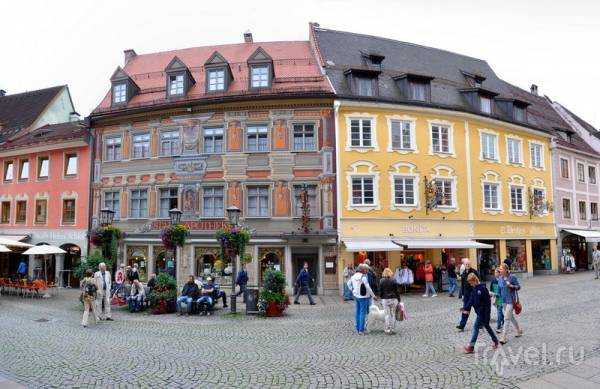
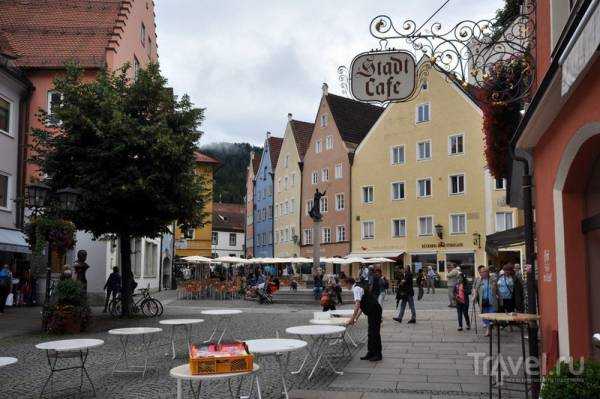
On the main street of Füssen


Bavarian peasants: a farmer with a flail, a miller with a millstone, and a baker with a shovel of grain sit on a stylized sheaf. Of course, nothing grows without water, so the sculpture also serves as one of the city's fountains.

The Church of the Holy Spirit attracts with its painted façade.

The city museum is housed in the former monastery of St. Magnus.
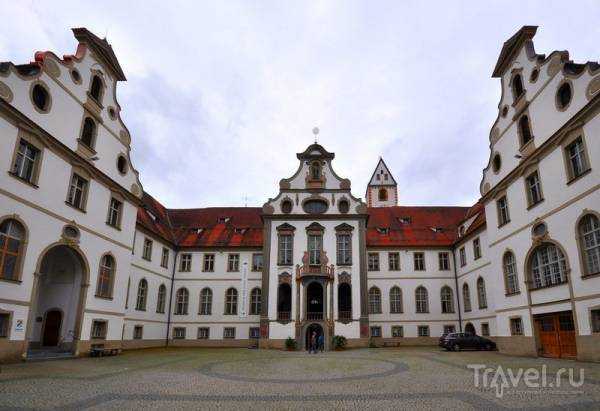
This is the Church of St. Magnus, named after the founder of the abbey and monastery. Despite being rebuilt many times, its crypt still contains 10th-century frescoes, considered the oldest in Bavaria.

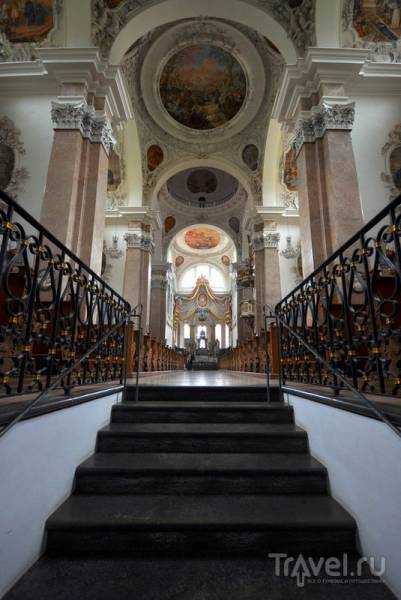
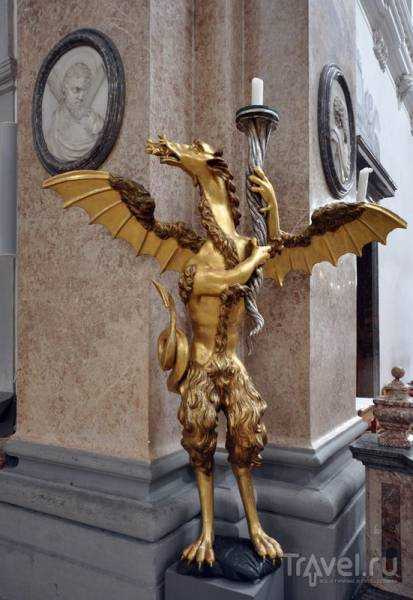
According to legend, St. Magnus defeated a local dragon. This deed is symbolized by a candlestick by Thomas Seitz (1724).
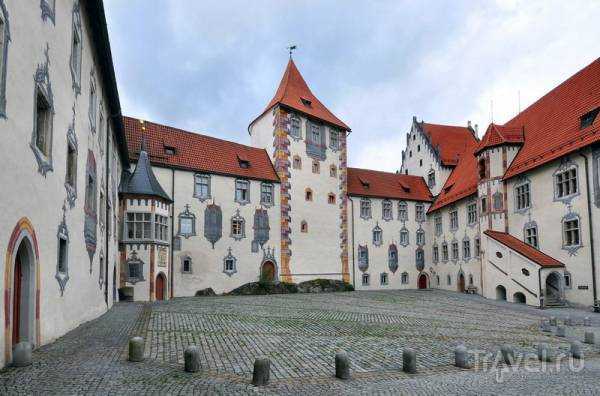
The Augsburg Electors' Castle is famous for the fact that all the decorative elements on its walls and windows are painted.

View of Füssen from the castle walls

Oberammergau
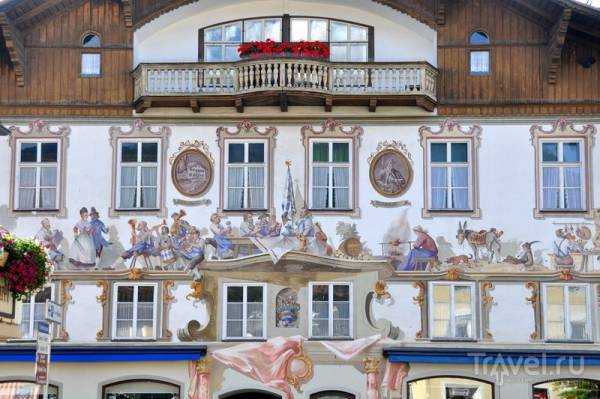
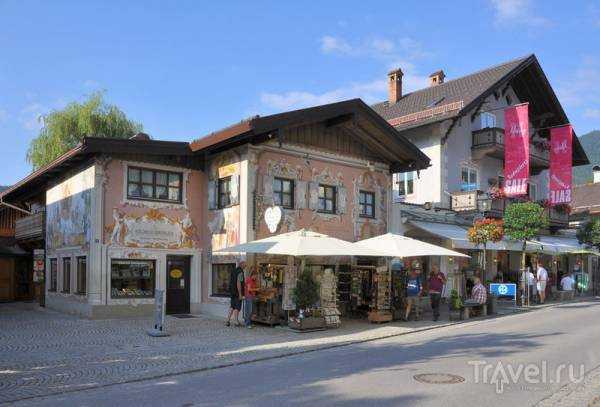
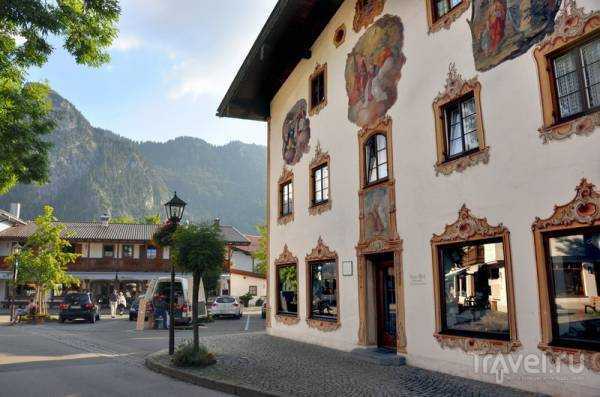
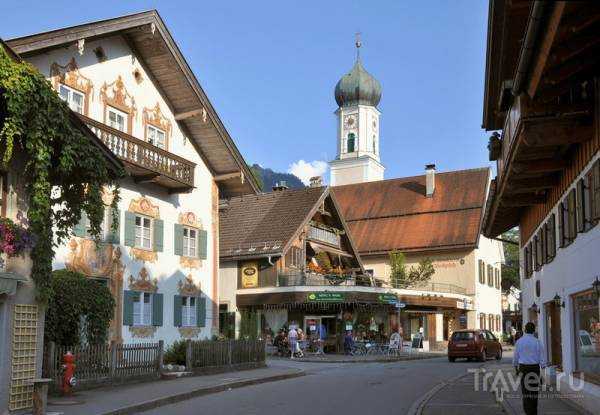
This town is smaller than Füssen, has no monasteries or fortresses, and perhaps it would be more accurate to call it a village. However, for the quantity and quality of its house paintings, it is one of the most famous in Bavaria. It even developed its own distinctive style of mural painting, called Lüftlmalärei, created by local artist Franz Zwinck, born in 1748. He lived in the house "Zu Lüftl" and first painted its façade, then went on to decorate the walls of neighboring houses. The name of the house also inspired the style.



In the 1630s, the plague raged across Europe. It didn't spare these parts. The residents of Oberammergau mourned the dead with a theatrical performance depicting the suffering and death of Christ. Chronicles record the year of the first such performance as 1634. Afterward, the plague receded, and the residents vowed to stage such performances every 10 years. In 1871, they performed "The Passion of the Christ" for King Ludwig, who was so pleased with the performance that he generously rewarded the performers. Up to half the village's population participated (and still participates) in these performances. The last performance, in 2010, attracted over a million tourists to the area. The next performance is scheduled for 2020.
"Pilate's House" with frescoes on the theme of the "Passion"


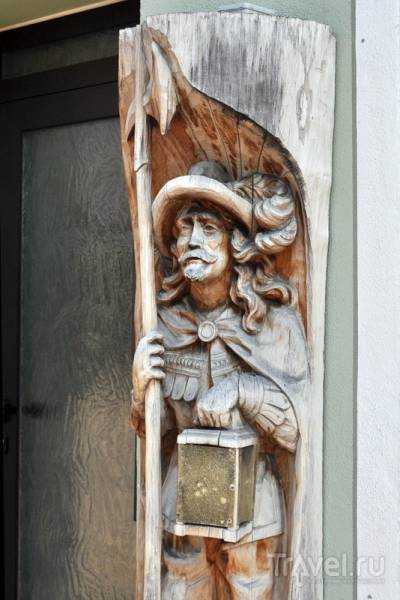
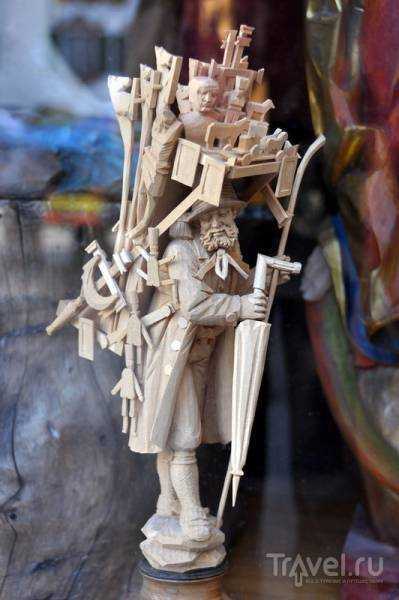
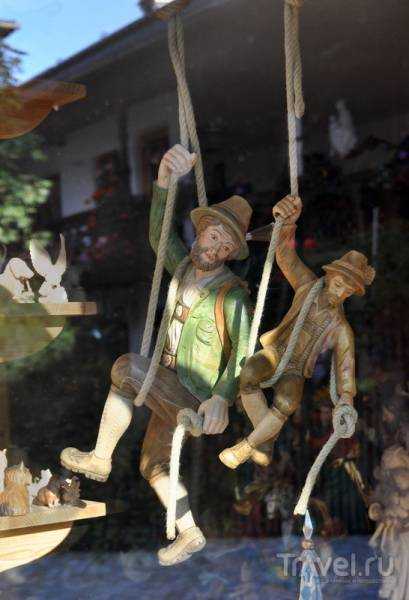
Another craft in which local artisans have excelled is wood carving. It began primarily as a religious practice, but later became a purely artistic one as well. Today, Oberammergau's shops offer exquisite handicrafts on a wide variety of themes.
Source: travel.ru