





Not far from Yaroslavl, on the banks of the Volga, lies the town of Tutayev. It is home to the Yaroslavl Bell Factory, where bells have been cast for many years using ancient techniques.

The production is small, and everything is mainly made to order for bell towers throughout Russia and for parishes in other countries around the world.
Sometimes you can take a tour of this plant.
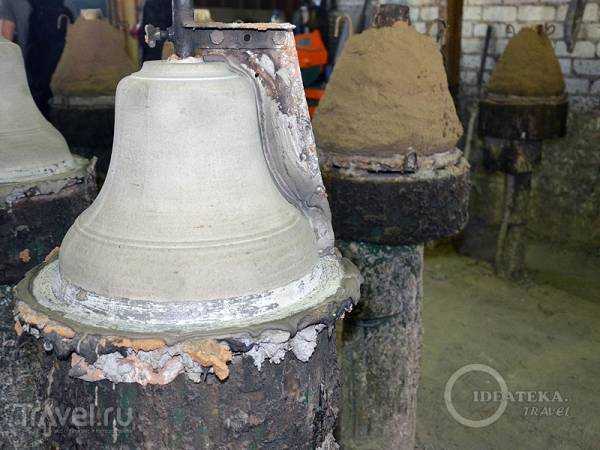
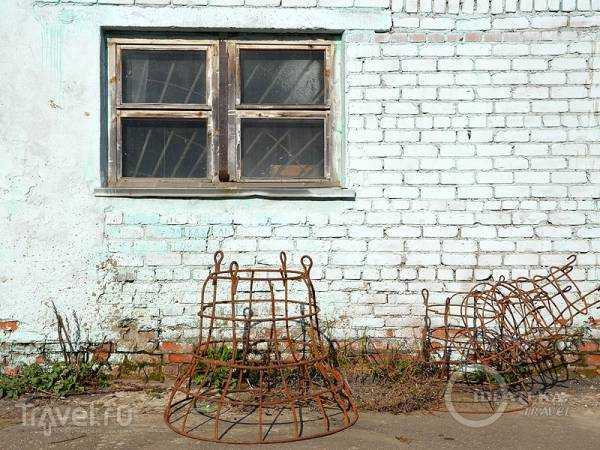
These unassuming meshes help create the mold for the casting. First, the rebar structure is reinforced with bricks on the inside, and then several layers of clay are applied.
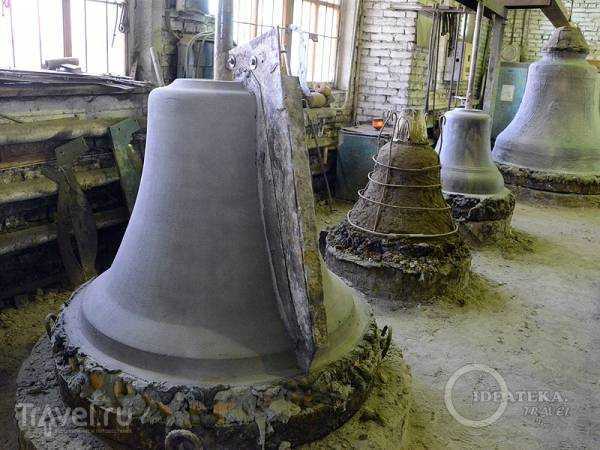
The template is rotated in a circle and a “dummy” is obtained – the first layer of the form, the inside of the bell.
This part is processed, and clay is applied on top to create a false bell - a prototype, a clay copy of the future bell.
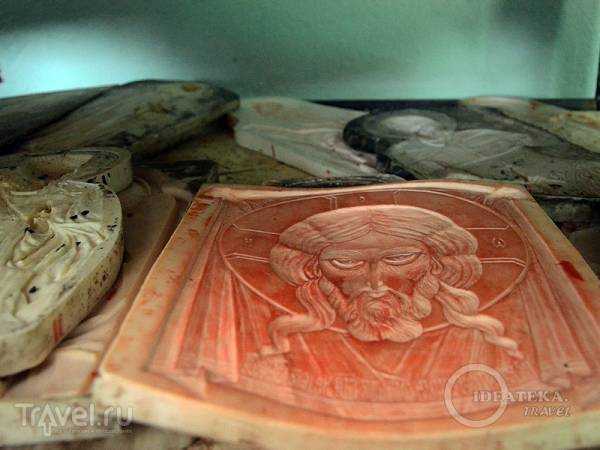
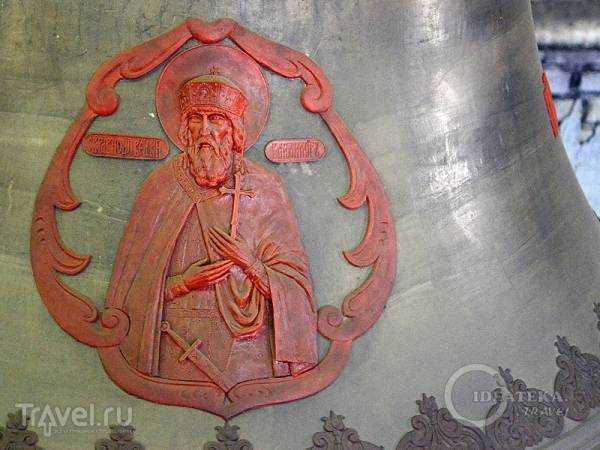
Wax models of decoration are attached to it.
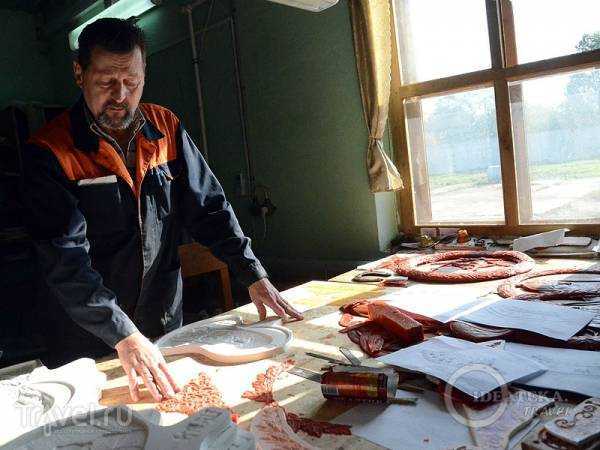
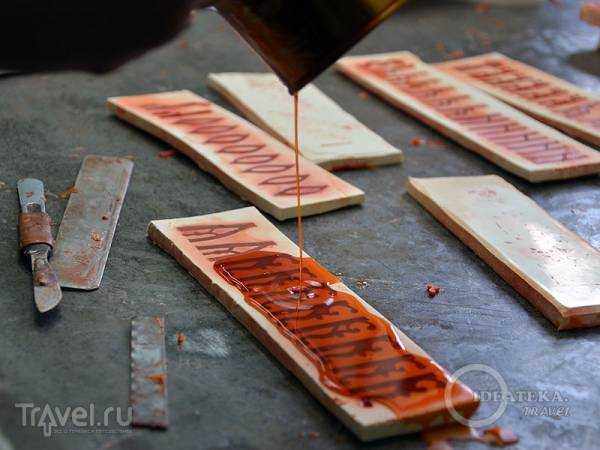
These models are made in a separate workshop. First, prototypes are molded from plasticine, then polymer molds are made from these.
Silicone molds are filled with wax. The resulting fragile wax decorations are then secured to a clay model.
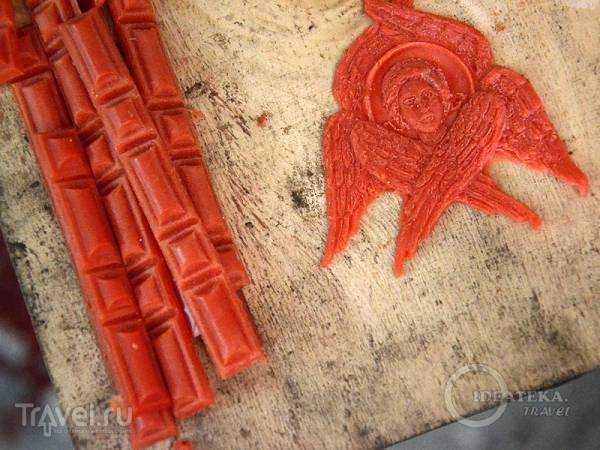
The finished false bell with decorations is filled with the third part of the mold - the “shirt”, and secured with reinforcement.
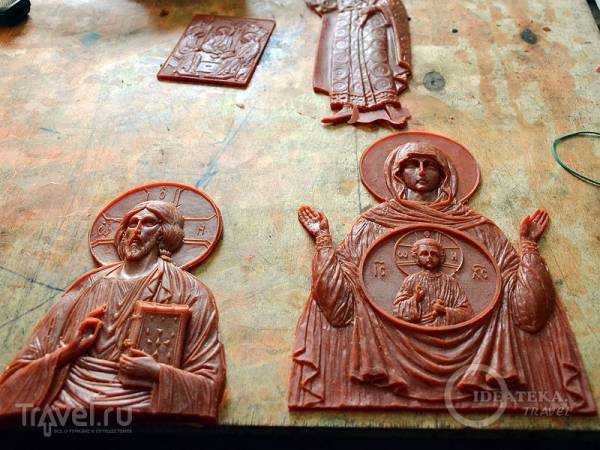
When the shirt is dry, the prototype is removed and a mold is formed for casting.
Next, we move on to the smelting shop. Bronze alloy is made from 80 percent tin and 20 percent copper.
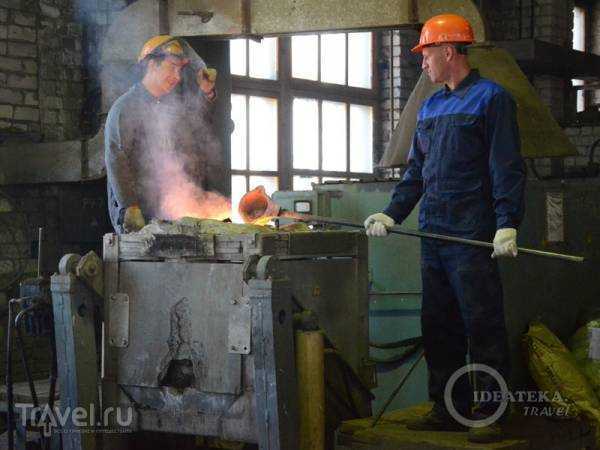
If you slightly violate the technology or change the temperature, the bell will either become fragile or have a bad sound.
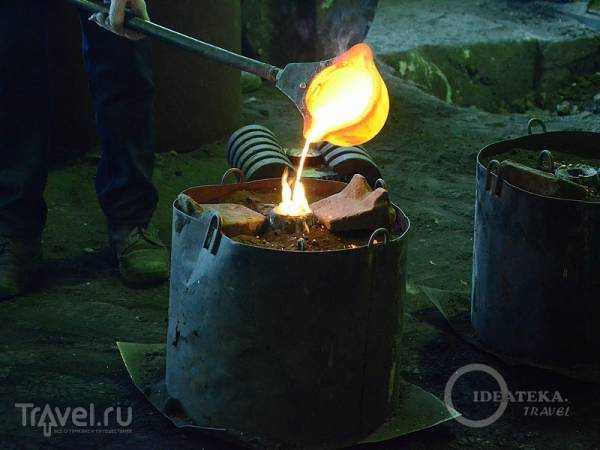
The mold for small bells is filled with molten metal by hand, while the molds for larger ones are poured from an overhead ladle.
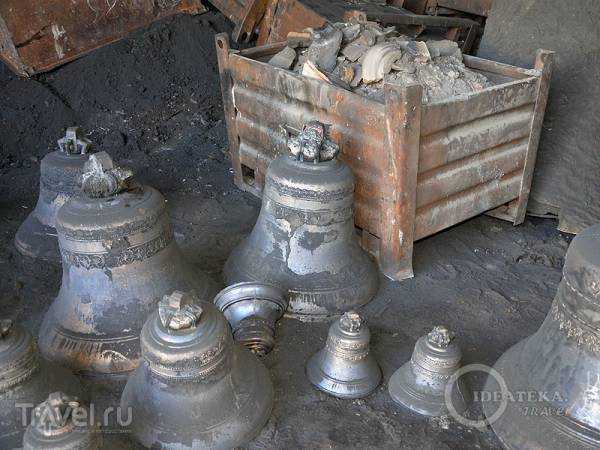
After a few hours, the metal hardens, the clay mold is broken—the bell is almost ready. All that remains is to test it and polish the decorations a bit.
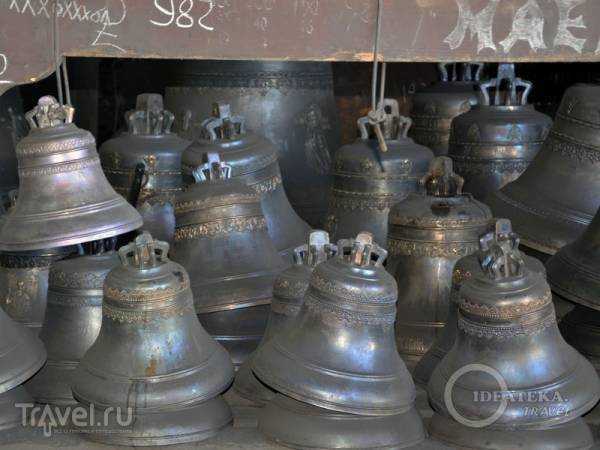
If the bell does not live up to expectations, it is broken and sent to be melted down, and then work on the order begins again.
Source: travel.ru