





National destination management organizations (DMOs) are facing a constantly changing reality. However, whether they are embracing new marketing channels and trends or trying to address issues of tourism promotion against the backdrop of local community problems, the role and priorities of the DMO have not changed over the years. According to analysts Skift Research, this approach no longer works, and other mechanisms are needed for effective DMO operations. This is discussed in a new study. Destination Marketing Trends 2018.

How should tourism marketing organizations develop today to attract more visitors to their countries without disrupting the way of life of local populations? The study states that To achieve this, it is necessary to go beyond the tourism industry.
Chris Frake, President of Resonance Consultancy, agency, actively working with the tourism industry, believes that DMOs can significantly expand their role in promoting their areas.
"DMOs must expand their role in cities and destinations and position themselves as stewards and managers of the city's brand—not just for tourism but also for other areas, including culture and investment attraction. No other organization in the destination has the funding or experience for this, and by embracing this role, DMOs can offer something more to the communities they serve," says the expert.
In turn, Staci Mellman, Vice President of VISIT FLORIDA I'm sure that instead of regular advertising, DMO will be available soon. must engage in influencing the development of the direction.
“I think we will see that in partnership with local leaders, developers and businesses, the DMO will influence the evolution of its purpose,” she continued.
According to the expert, DMOs should also focus not only on inbound tourists and convention participants, but also engage in close dialogue with local residents.
"DMOs often monitor visitor satisfaction with a destination, but they rarely interact with local residents. These organizations need to monitor and measure resident satisfaction," she says. Staci Mellman.

This approach to managing the image of destinations, in her opinion, is becoming increasingly important in countries where the problem of "overtourism" is becoming acute.
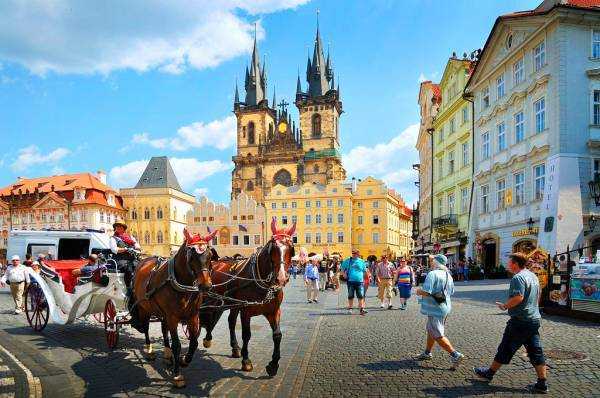
The main factors are the growth of tourism activity, the number of low-cost flights, and the volume of accommodations through booking systems. Cities experiencing a tourism boom, including Venice and Prague, urgently need such strategies to maintain inbound tourism at healthy but manageable levels, ensuring that visitors have a positive, rather than detrimental, impact on local residents' quality of life.
Source: trn-news.ru