





Bialystok — the largest city in northeastern Poland. It is famous for its inexpensive shops, cheap markets, and shopping malls.

The city's name derives from the Belaya River, on whose banks it lies. Legend has it that the city was founded in 1320 by Gediminas, who stopped at this spot while hunting and ordered his subjects to build a hunting lodge. The location was favorable, and soon the prince's lodge was surrounded by other houses. This settlement eventually grew into a city. However, it was first mentioned in written sources in 1437, when the area around the Belaya River was granted to Ratsko Tabutowicz by the Polish king Casimir Jagiellon. Białystok's heyday is associated with the name of its owner, Hetman Klemency Branicki, who established a brilliant court in the city and invited artists and scholars.
During World War II, the Nazis created the Special Bialystok District from the Bialystok region and annexed it directly to the Third Reich, incorporating it into the Gau East Prussia. In July 1944, the city was liberated by the Red Army and annexed to Belarus. On September 20, 1944, as part of a population exchange with the USSR, Bialystok and its surrounding areas were transferred to Poland, which began a policy of forcibly deporting Belarusians and Ukrainians from there.
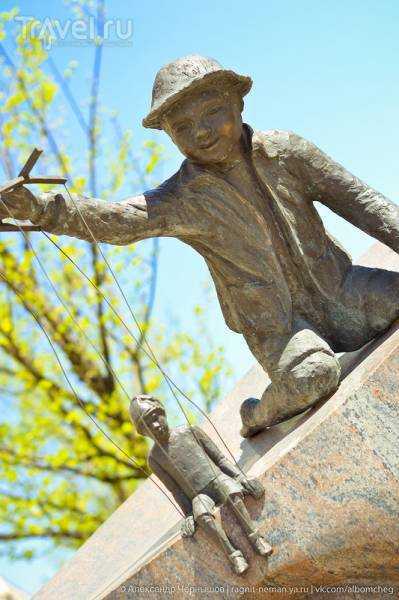
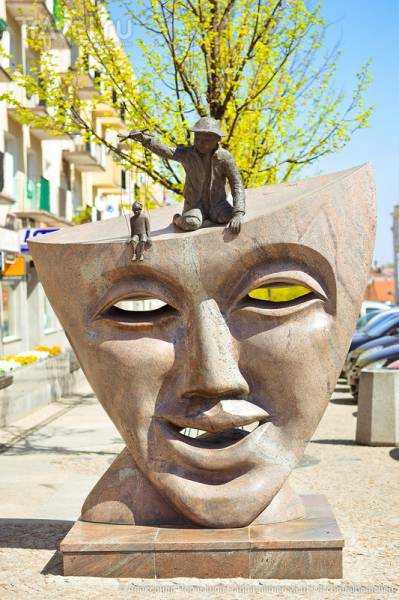
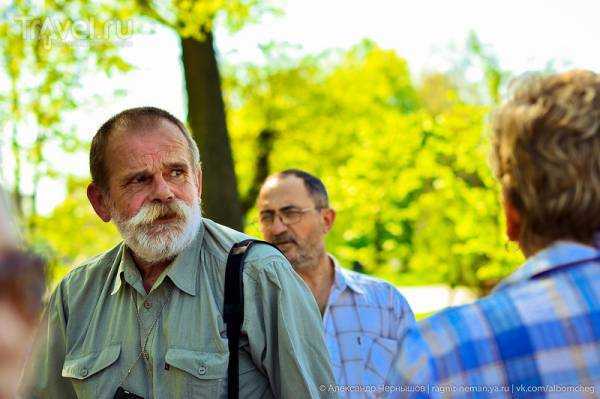
Let's see the city's main landmarks... On our second day in Bialystok, we had a sightseeing tour with this charismatic guide:
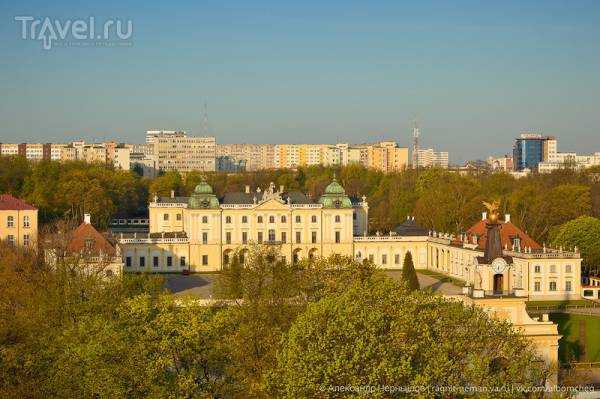
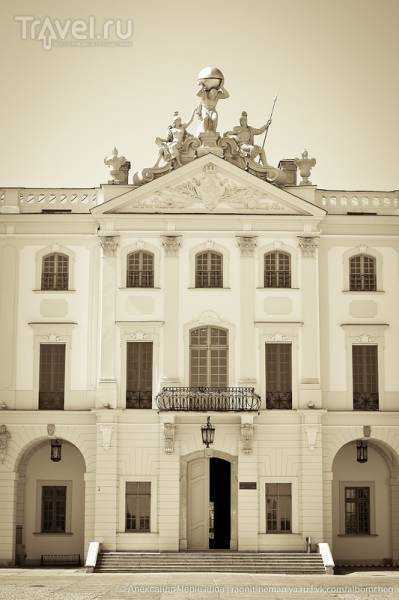
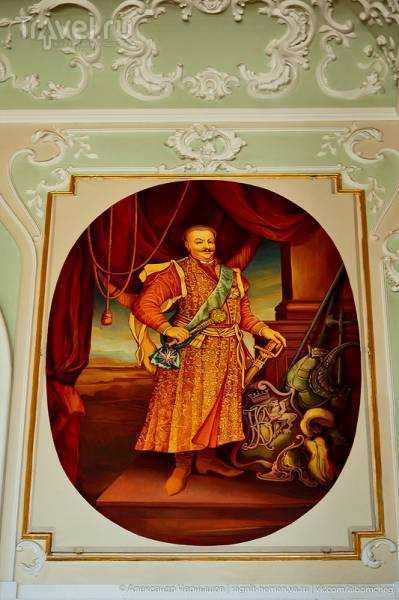
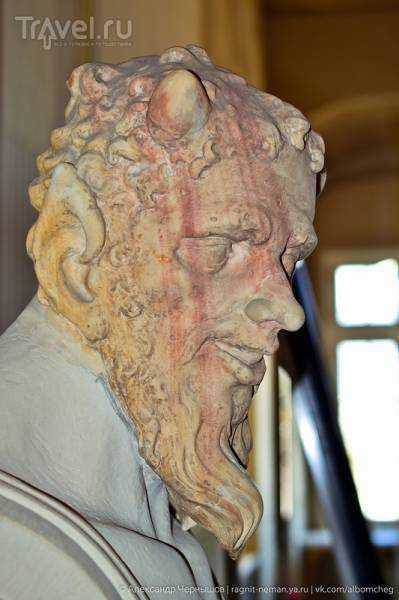
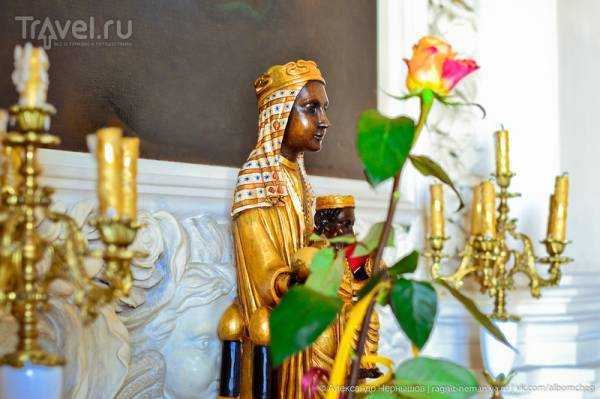
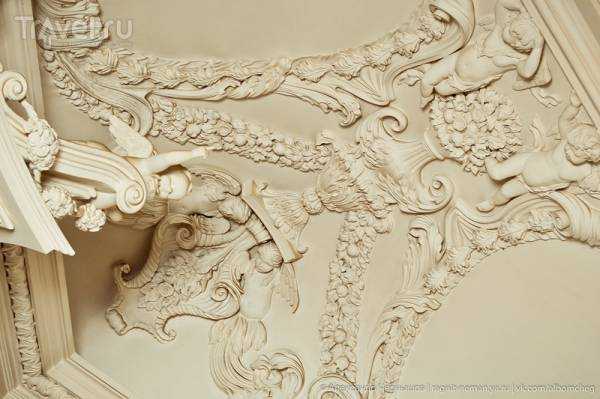
The first point was Branicki Palace — the residence of Crown Hetman Klemency Branicki in Białystok (1689-1771), built in the Baroque style in the mid-18th century as a "Podlasie Versailles." Many famous people, including kings, have visited this palace. In 1802, it was purchased by the King of Prussia, Friedrich Wilhelm, and a few years later he sold it to the Russian Emperor Alexander I. The palace currently houses a medical institute.
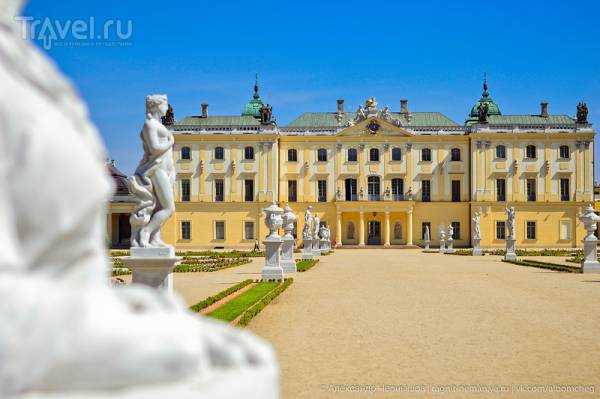
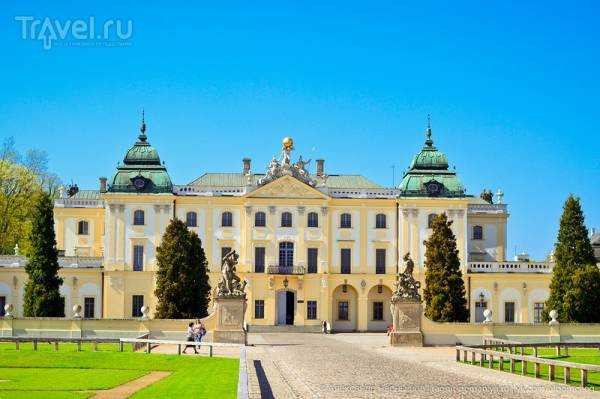
World War II did not spare the residence. More than 701 TP3T of the building was destroyed by the retreating Germans, and the remainder by the Red Army. Restoration work began in 1946 and continued until 1960, with Stanislav Bukowski appointed as its director.
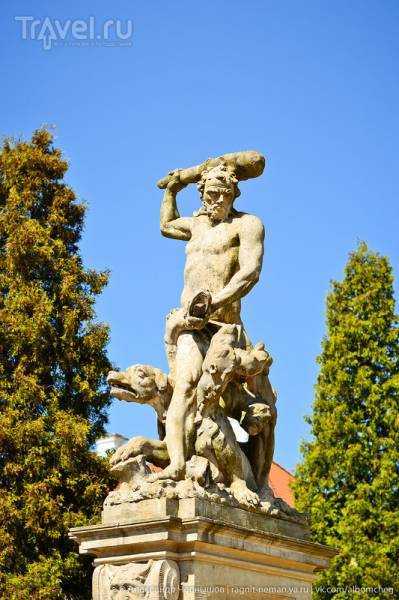
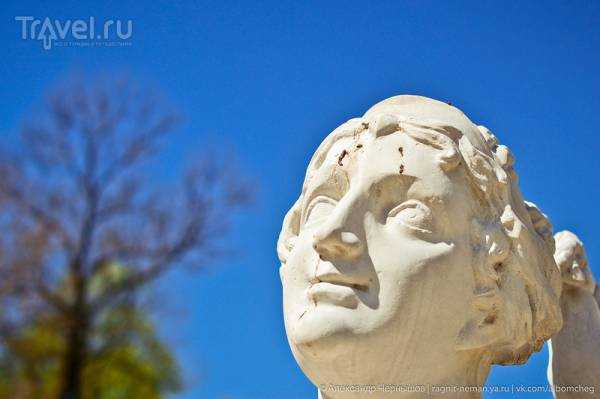
Branicki Landscape Park The park was laid out in the mid-18th century near the palace. It covers 9.7 hectares and is located on two levels—Lower and Upper.
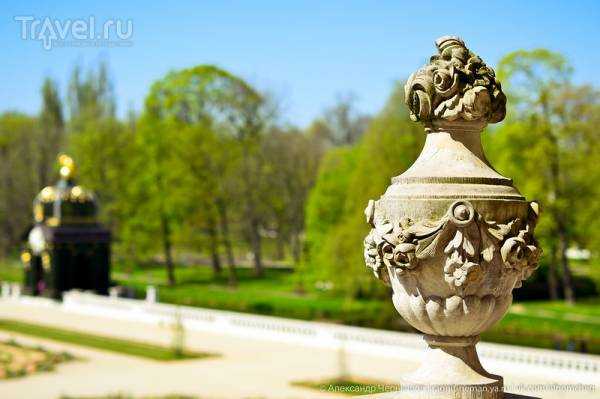
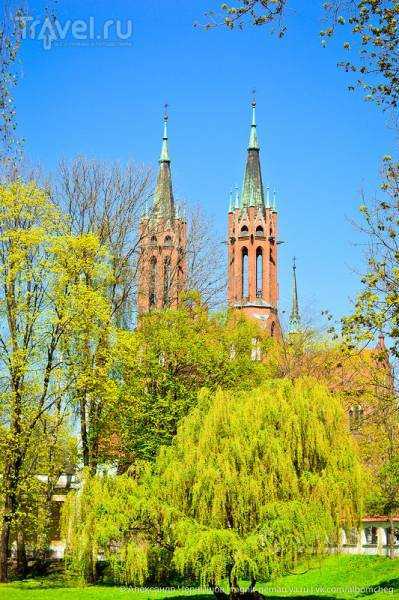
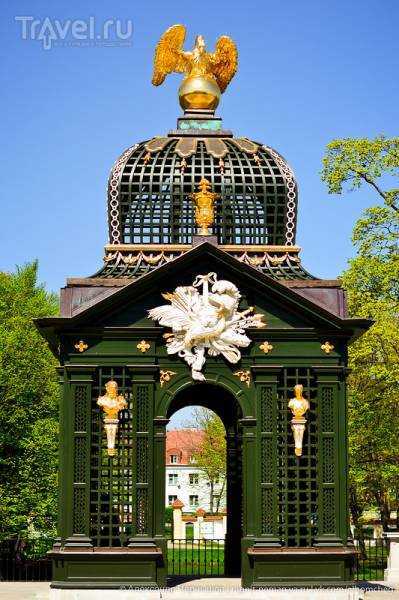
The Upper Park is rectangular, directly adjacent to the palace, and features numerous flower beds and fountains. The Lower Park contains sculptures, figurative flower beds, and fountains. Peaches, ginger, apricots, lemons, pineapples, peaches, and oranges were grown here, and the park was maintained by several gardeners. During the partition of the Polish-Lithuanian Commonwealth, many trees and bushes were transported to the royal residences, and more than twenty sculptures that adorned the garden were transported to St. Petersburg.
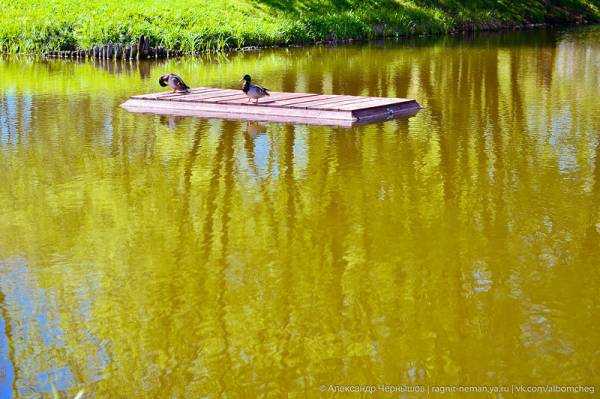
To date, the park has managed to preserve 24 linden trees, 26 elms, more than 20 monuments, 4 fountains, two sphinxes on pedestals, as well as a guest pavilion, an arsenal, a greenhouse, and several other buildings.
The park houses one of the most beautiful sculptures in the city - Kawelinie dogThe comic sculpture was created at the initiative of the Podlasie Society for the Encouragement of the Arts. The dog, with its wide eyes and mouth, is a copy of a pre-war sculpture by Piotr Sawicki, which once featured all the city's families in photographs. The sculpture's name, including its pre-war origin, comes from Tsarist Colonel Mikołaj Kawelin, the commandant of wartime Białystok (he was a good man, albeit rather ugly).
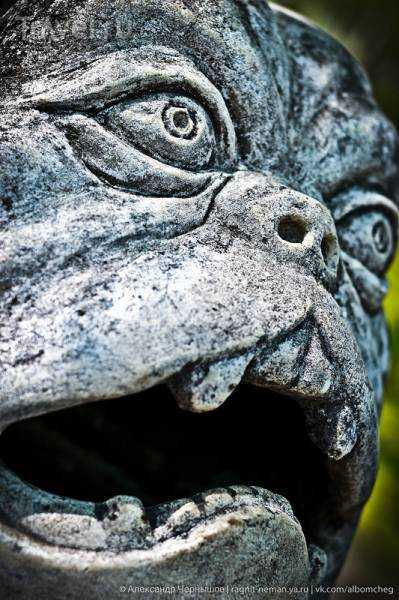
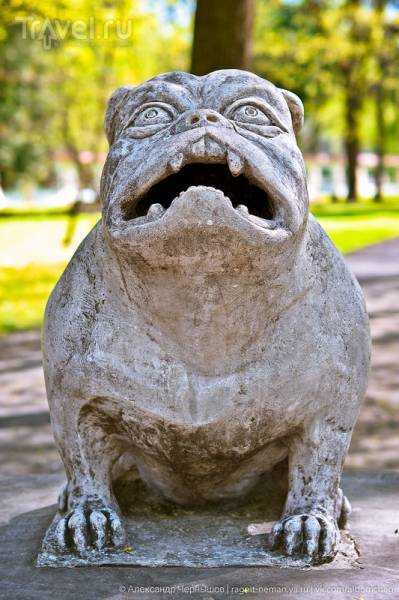
The statue stands as a warning to tourists about the local tradition of letting dogs off leash in the park.
Source: travel.ru