





We toured the fortress in the southern part of the city, which had protected the kingdom for centuries. Then, we circled the city, which took very little time. After all, the name Peniche comes from the Latin peninsula (paene + insula), which literally translates as "almost an island." If you don't have a map handy, look at your palm, any palm. Press all your fingers together and extend your thumb outward, or set it aside if the word "extend" is unfamiliar or seems funny to you. The palm, including all your fingers and the arm up to the elbow, will be the mainland, and the thumb will be the peninsula occupied by Peniche. This is roughly how it looks on the map. We followed the path from the crease between the fingers, where the fingertips begin at the palm, toward the radius. I'm really into anatomy today.
In short, we found ourselves on the other side of the city, on the island of Papoa (Papoa), which may be pronounced differently in Portuguese.

Several more islands can be seen nearby.
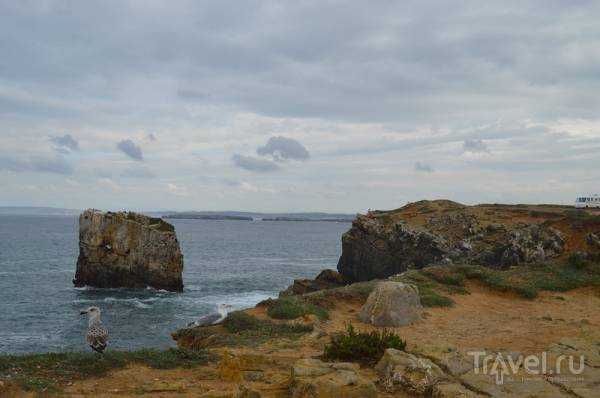
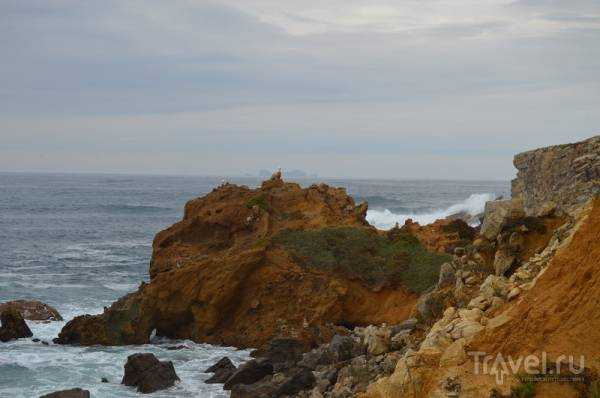
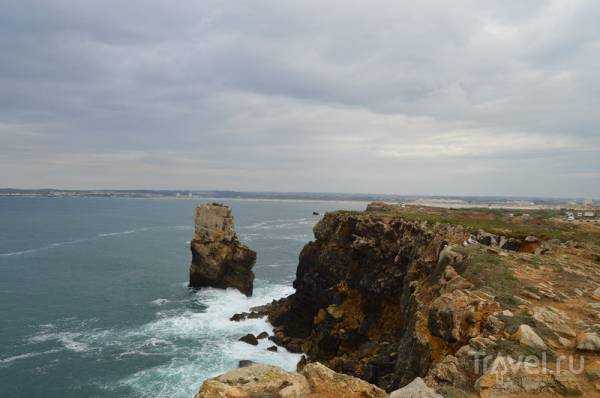
A stunningly atmospheric place, incredibly beautiful rocks, a thunderous ocean, lots of birds, a stormy wind and clouds.
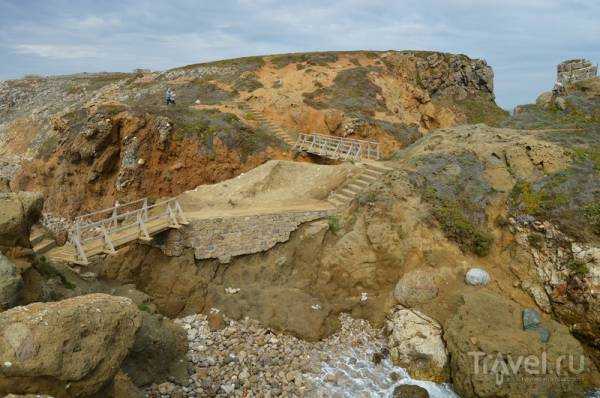
A thin, rocky ridge, interrupted by the ocean in two places, leads to the island. Narrow bridges have been built over the crevices. The road to the island, although partially landscaped, includes bridges and stairs, but is not suitable for everyone. There are a couple of very narrow spots where you need to carefully step from rock to rock on the edge of the cliff, and the only safety net is a rope stretched between the rocks.
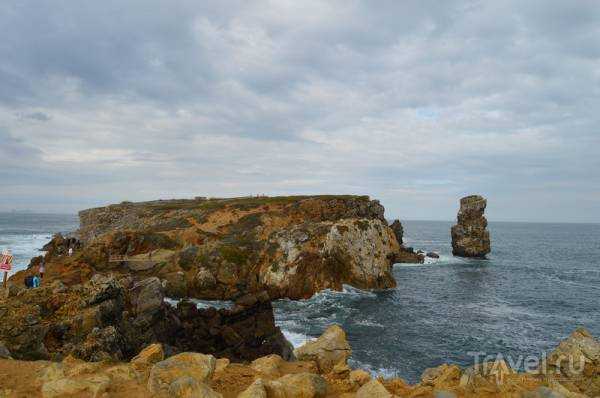
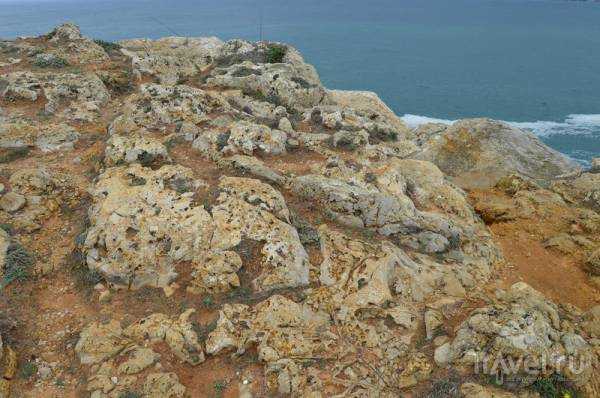
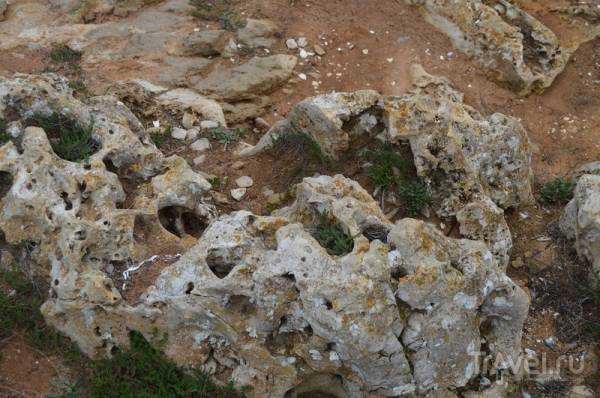
After all, time, wind, sun and water are amazing artists.
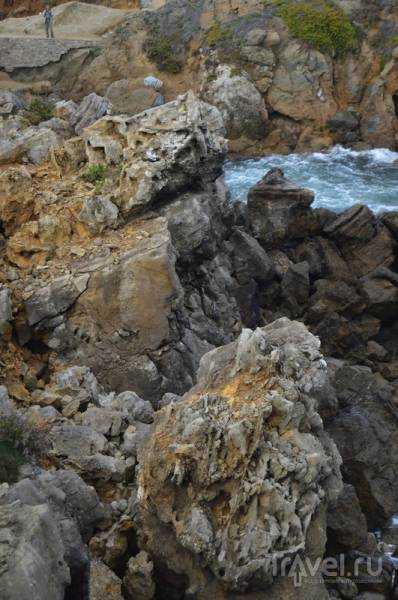
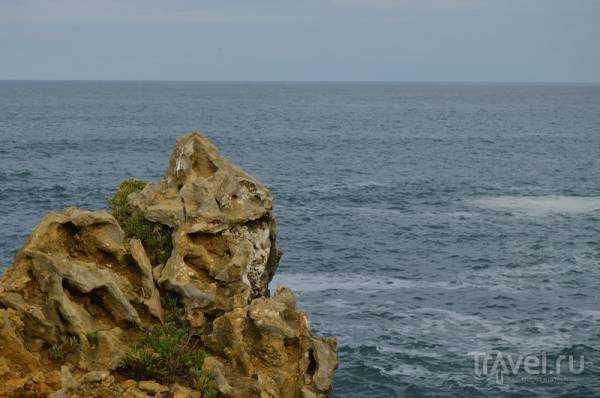
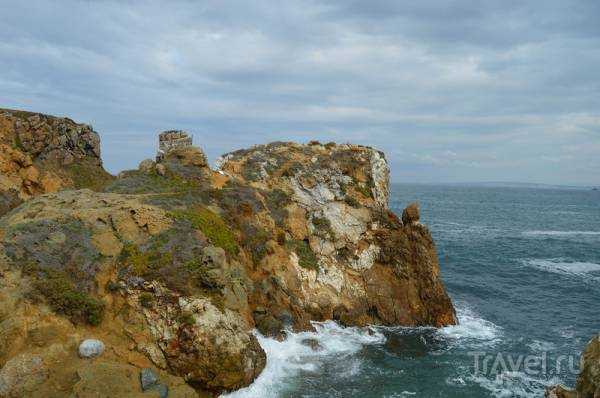
Humans have also tried to keep up. Every accessible area is covered in masterpieces of balance and equilibrium.
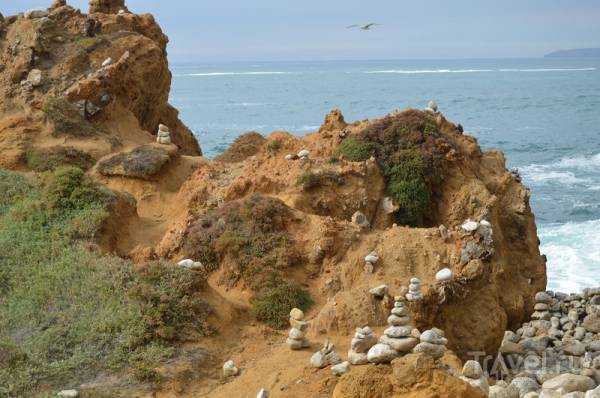
The ocean here brooks no vocal competition and completely drowns out all other voices. Perhaps it was a coincidence that while we were exploring the city and its environs, a storm raged, whereas on normal days the waves are gentle, barely purring as they roll over rocks. On this day, they angrily shook the rocks, like a Russian customs officer shuffling a Turkish merchant's luggage, dragging them from place to place with the roar of a tank engine.
Of course, we headed, through all the obstacles, to the island.
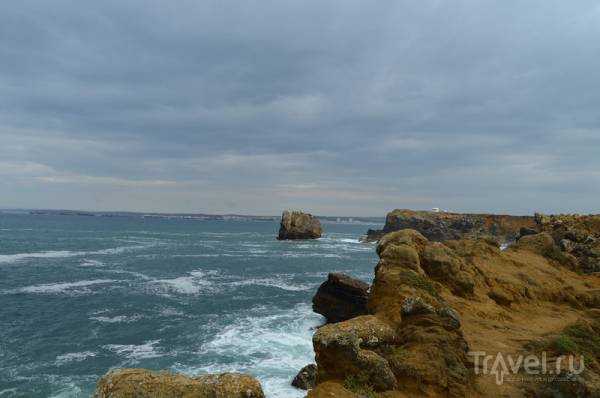
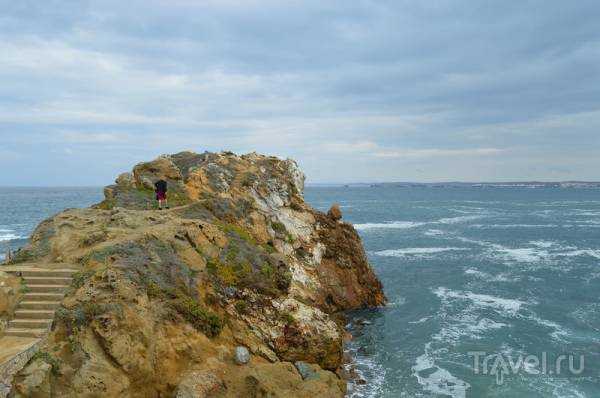
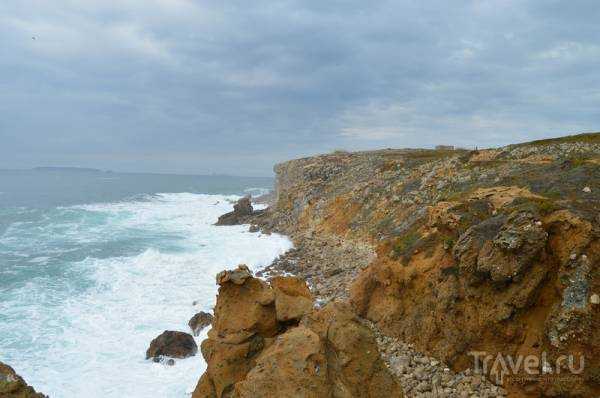
From this side there is a view of the "stone cake" on which the city is built.
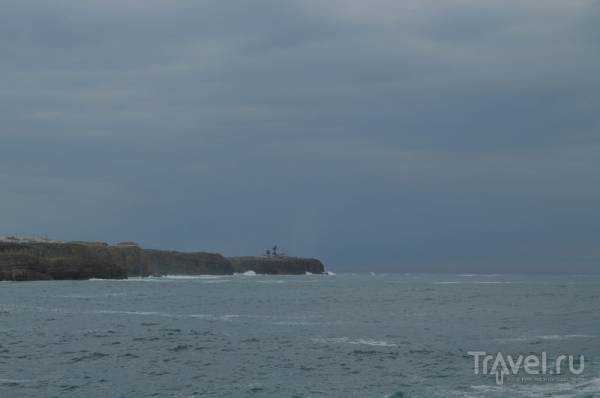
The island is small, very high, without any buildings, just a large flat rock not far from the shore. I couldn't find any information about it online, so I'll just show you some photos.
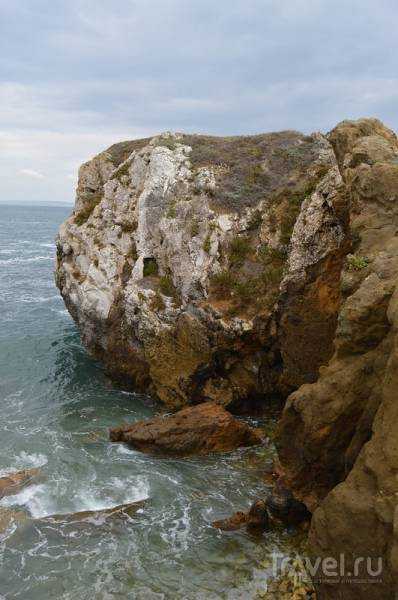
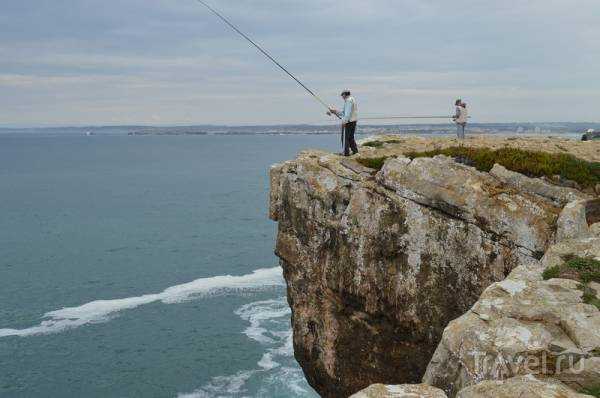
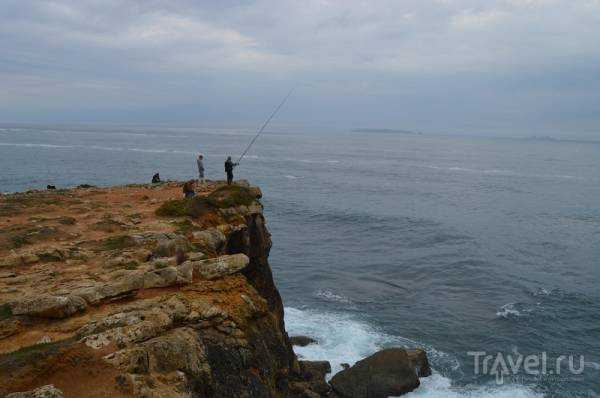
The place is very popular among fishermen.
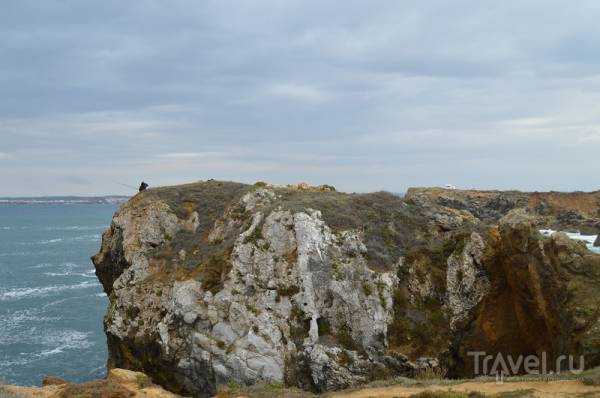
Notice the ladder mounted over the abyss—fishermen use it to descend to convenient platforms. Brave people!
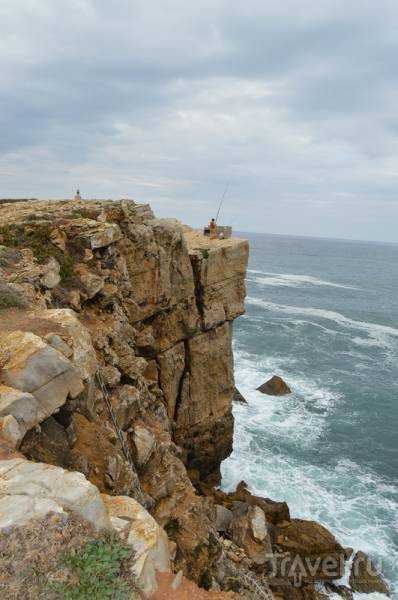
The photo clearly shows that the stone platform with the fisherman on it has broken away slightly from the main cliff. By the time I was ready to cross over, the crack had already become much wider.
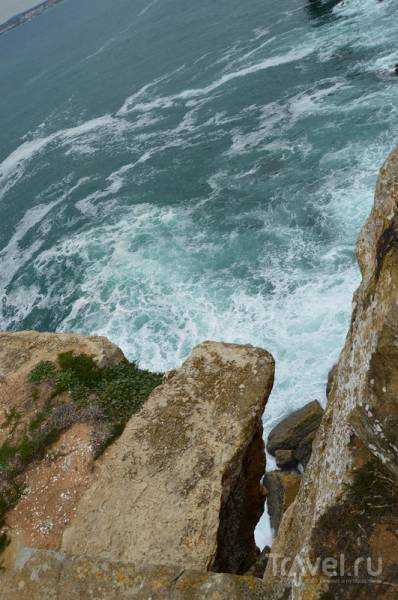
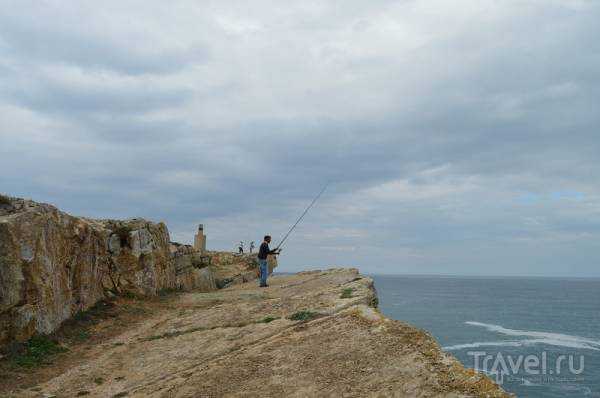
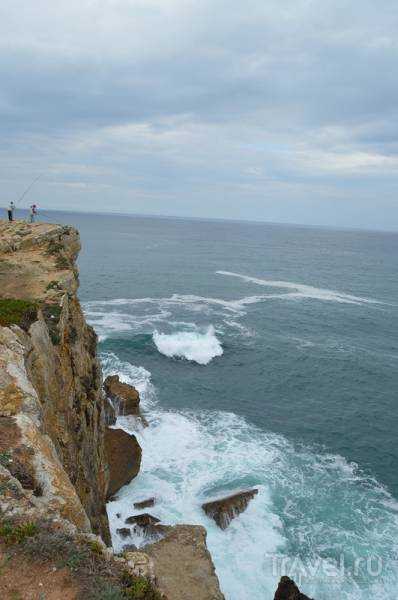
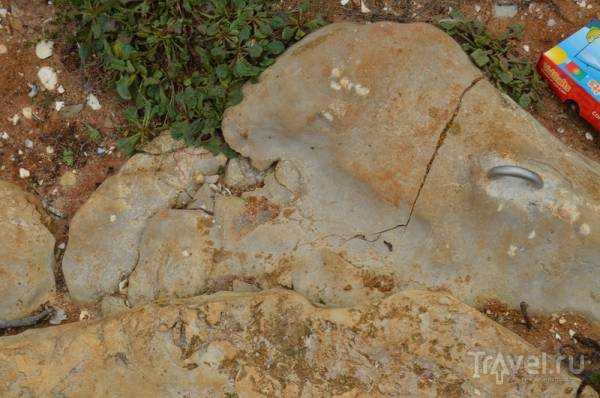
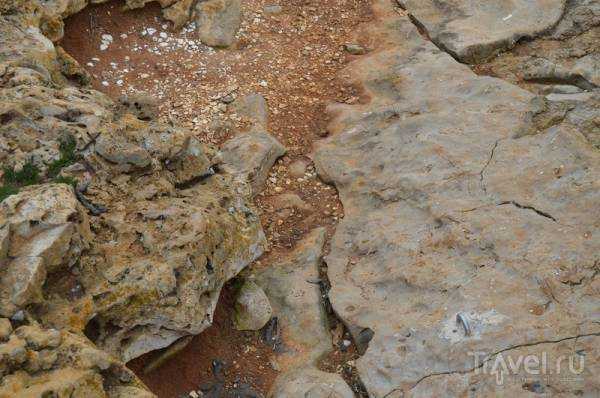
Along the edge of the cliff, numerous hooks are driven directly into the rock, intended for use by tourists and fishermen approaching the very edge. But as the photographs show, everyone neglects these safety devices.
Source: travel.ru