





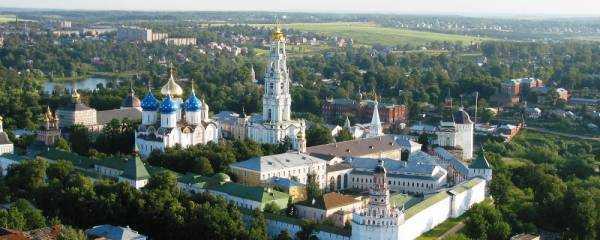
Over the past 30 years, the world's borders have expanded so much that they've practically disappeared. For Russians, this is especially noticeable after the Iron Curtain, memories of which are still fresh. We've really hit our stride. Airports can't cope; we're everywhere, everywhere, everywhere. Destinations, seas, continents. It's wonderful that our thirst for worldly exploration is insatiable, and that we have the opportunity to do so. But sometimes, on a warm summer evening, you suddenly want to escape the bustling metropolis and find another dimension, and it doesn't have to be a dacha. As the song goes: "My native land is vast!..."—just choose your destination. Our expert, Alina Chikina, head of the Quadra sales office, chose provincial Pereslavl-Zalessky this time.

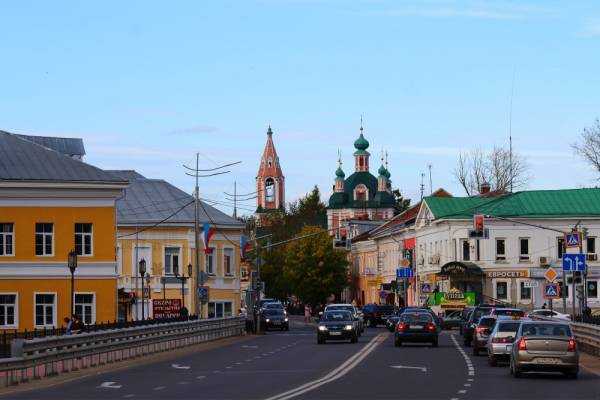
"Just 140 km from Moscow, you find yourself in a neat, low-rise town where you're greeted so warmly that at first you expect a trick. I've been to various towns and settlements, tourist centers, monasteries... The problem with Russian tourism is that it's happening now. In other words, you're welcome, but not loved. You bring money, so they smile at you. But nothing new is being done to develop tourism as such; everything revolves around some monastery, lake, industry, and so on. Pereslavl has taken a different path.
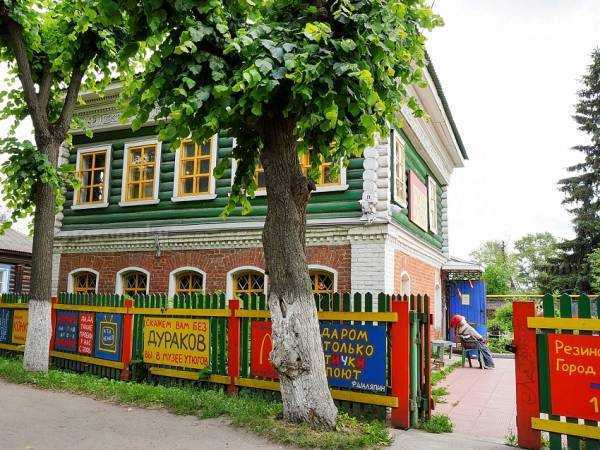
The number of museums in this city is countless. From what I remember, there are museums of teapots, steam locomotives, gramophone records, irons, money, radios, masks, peasant design, cunning and ingenuity, fireweed, vendace, sewing machines, crafts, a history and art museum, and right there are the Goritsky Assumption Monastery, the St. Nicholas Monastery, the Nikitsky Monastery, Lake Pleshcheyevo National Park, the Russian Park Historical and Cultural Center, the S. F. Kharitonov Arboretum, and, of course, the Peter the Great's Boat Estate Museum. It's overwhelming—how can you fit it all in? That's the second secret of Pereslavl.
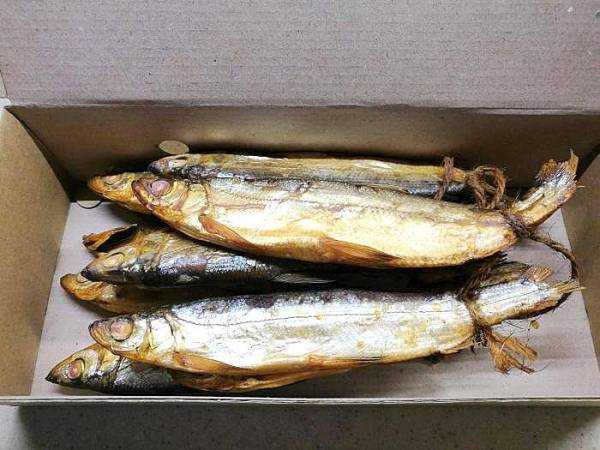
There are no hermitages or endless galleries here that require days, not minutes, to explore. The Vendace Museum, for example, is a one-room affair. Yes, yes. But! You're greeted by charming girls in sparkling goldfish costumes who promptly explain the history of the relict fish—the vendace.
They'll be bringing trays of that very vendace right there for you to try, and then, of course, you can buy a treat for your loved ones. What virtuosos! A theatrical sale of artisan products! And, all the while, you're left with a feeling of absolute satisfaction—you've visited a museum, gained some cultural insight, had a snack, and even left with fragrant souvenirs.

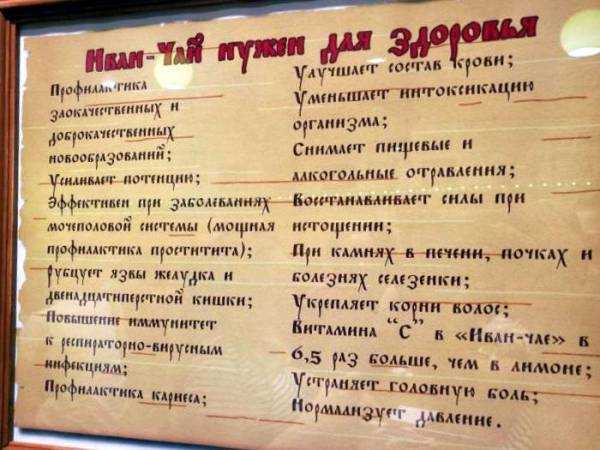
Or, you'd think, here's a fireweed museum. Fireweed is a plant everyone knows. Like nettles and dandelions, it's everywhere. What can you say about it? But the museum greets you with a picturesque anteroom and tea room, where you're offered hot fireweed, in three varieties—black, green, and cherry—and, yes, even with a dessert that tastes like a syrnik with raisins, but is actually baked Guryev porridge! While you sip and savor the tea, they tell you... No, not the history of fireweed, but how to make it yourself. And then you realize it's interesting, because you couldn't mow down this fireweed around your dacha, and it turns out it's so delicious with cherries. But by the time it blooms, by the time you pick it, by the time you dry it, summer will have passed, and after the museum—please, go to the store.
And after the shopping, head to the Russian Park, where there's, for example, a museum dedicated to the first things Russians invented. There are also birch trees, wooden fairytale figures, children's structures, and a costume museum, which you can, of course, try on and take photos of, albeit for 200 rubles.
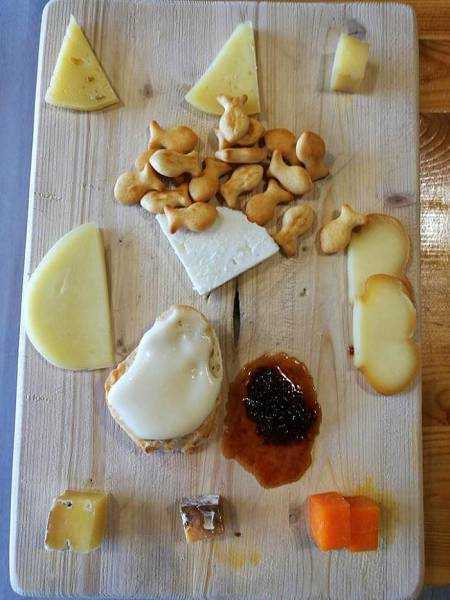
After the park, of course, it's off to the tavern for lunch, or to the store for a refreshing cold kvass and heady mead. There's also a cheese factory and bakery, of course, complete with pristine lambs, rabbits, and other livestock that evokes a unique sense of tenderness in city dwellers. And you think, well, that's all clear—go to the store. No! First, there's the tasting. Beautifully presented samples of the cheeses are served with raspberry jam and crackers. They'll tell you about each variety, and while you're munching, you're already mentally imagining what to order and how much...
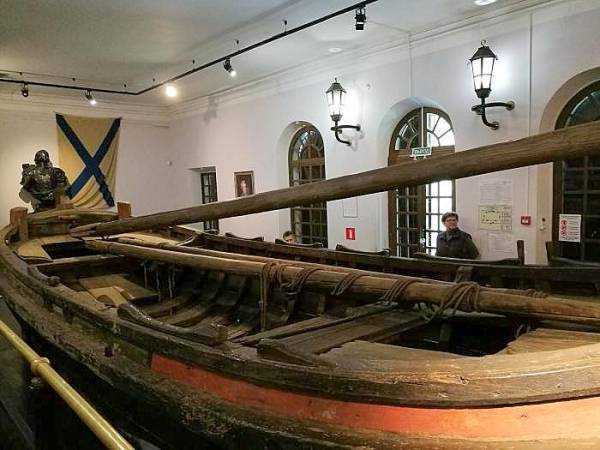
Finally, a trip to the Peter the Great Museum-Estate. The main building here is the one housing the 230-year-old boat, and here the guide will tell you the story of the toy regiment's construction, which begins at Lake Pleshcheyevo. This museum also houses the only cast iron sculpture of Peter the Great, made from a lifetime cast.
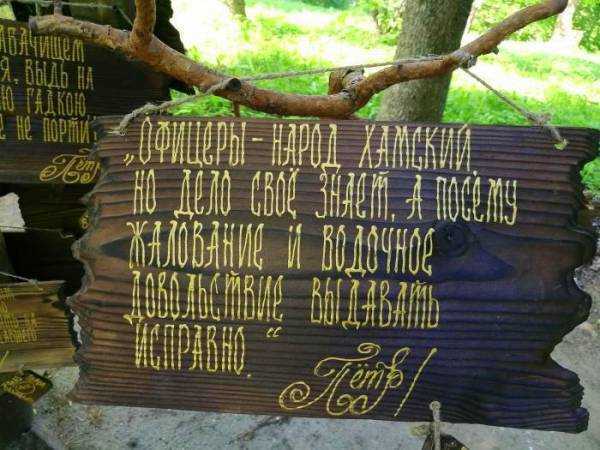
The day is drawing to a close, you've lost count of the number of museums you've visited and money you've spent, and you're laden with vendace, kvass, lace, tea, and other souvenirs. You feel a strange sense of well-being. There's a similar effect to gypsy hypnosis—you hand over your money, and then feel like you've been gutted. But here's the unique Pereslavl hypnosis—you've handed over your money and are happy! And when you get home and unpack your bag of goodies—someone with fragrant tea and a sweet dessert, someone with tender smoked vendace and cold beer, someone with candy and kvass, someone with cheese and wine—you realize you've got what you wanted. One day—a wealth of impressions, a pleasant tiredness, and, ultimately, you're feeling delicious. "Life is delicious!"
Source: trn-news.ru