





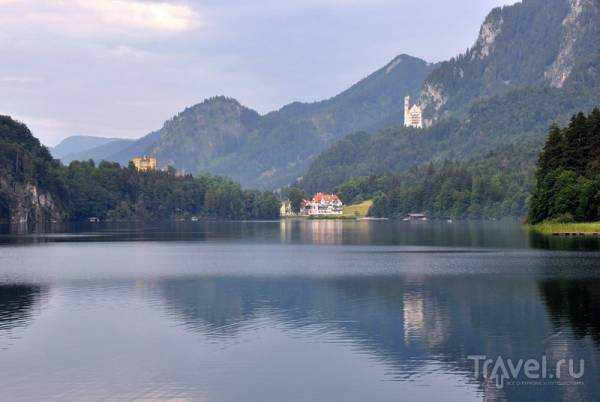
At the foot of the mountains, on the shores of the cozy Alpsee lake, lies the town of Schwangau, from where one can conveniently explore two royal castles – Hohenschwangau and Neuschwanstein.

Both castles belonged to the Wittelsbach family, the royal dynasty that ruled Bavaria from 1806 to 1918, the entire period of Bavaria's existence as a separate state. Portraits of all the Bavarian kings are displayed on one of the roads near Schwangau. Meet:
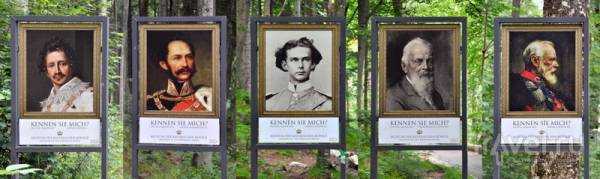
Ludwig I (1786-1868) Maximilian II (1811-1864) Ludwig II (1845-1886) Prince Luitpold (1821-1912) Ludwig III (1845-1921)
Hohenschwangau Castle was built in the 1830s by King Maximilian II on the ruins of an ancient 12th-century knight's fortress. Maximilian was so taken with the surrounding area that he rebuilt the fortress in the "medieval" style favored during the Romantic era.
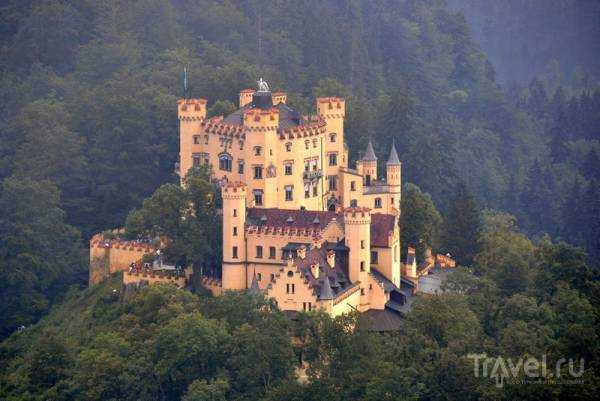
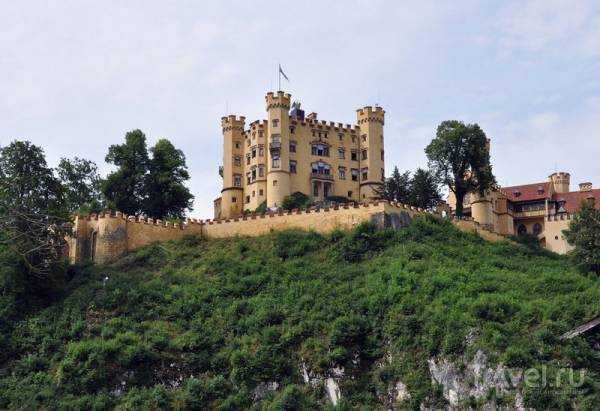
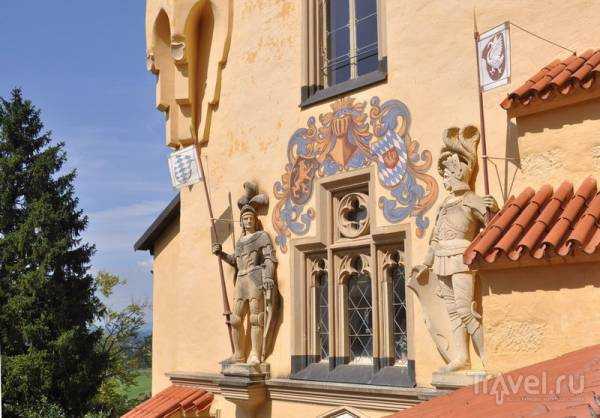
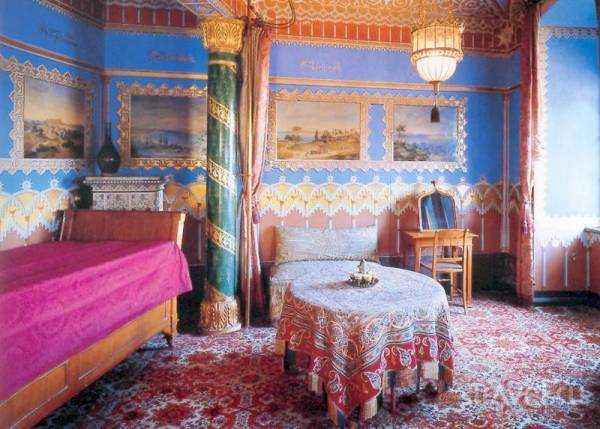
But Hohenschwangau only resembles the Middle Ages on the outside, while inside it's bright and, I would even say, cheerful and lively, with its large windows, light trim, and beautiful panoramas. Unfortunately, photography is prohibited in all Bavarian castles, so I'll limit myself to just one interior shot from Wikipedia.
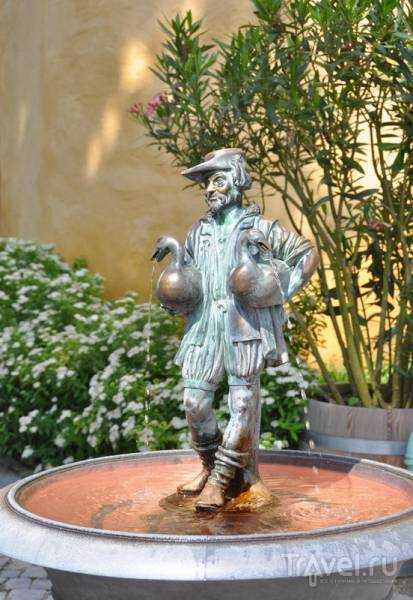
The name Hohenschwangau translates as "high swan land." Indeed, much of the castle and its surroundings are reminiscent of swans. The swan was also the heraldic bird of the ancient Schwangau family, whose successor Maximilian II considered himself.
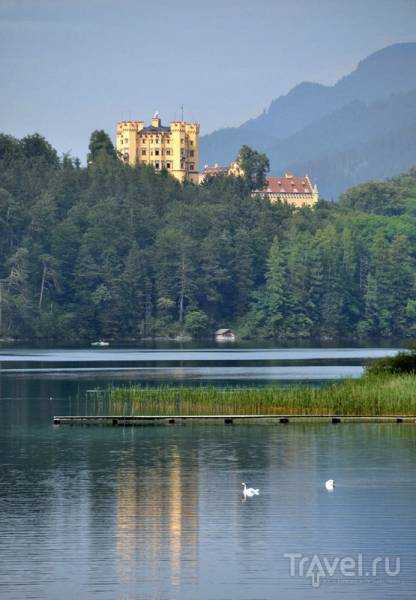
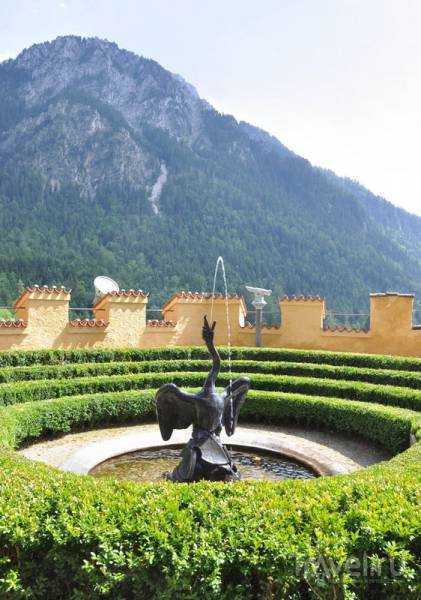
The most famous of the Bavarian kings, Ludwig II, spent most of his life in Hohenschwangau. Here he conceived the designs for his fairytale castles, hosted the composer Richard Wagner, and watched the construction of neighboring Neuschwanstein through a telescope. This is what Ludwig's beloved creation looks like from a window in Hohenschwangau.
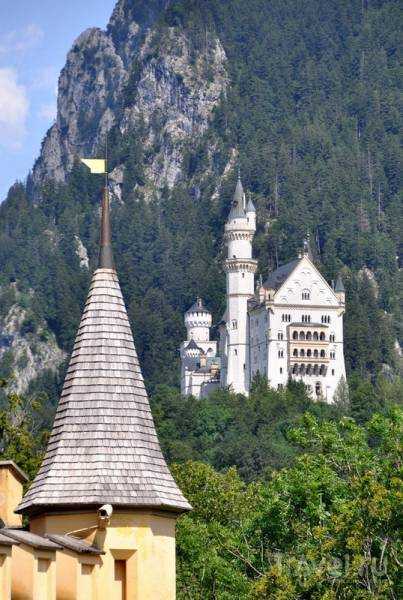
In reality, it's about an hour's leisurely walk from one castle to the other. The route leads through Schwangau, where parking lots, hotels, restaurants, the Wittelsbach Museum, and ticket offices for all the surrounding attractions are located.
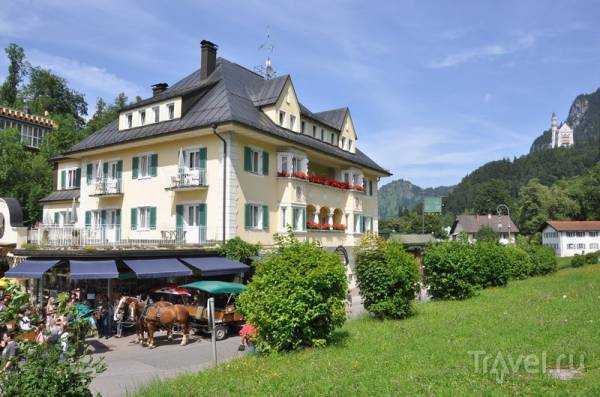
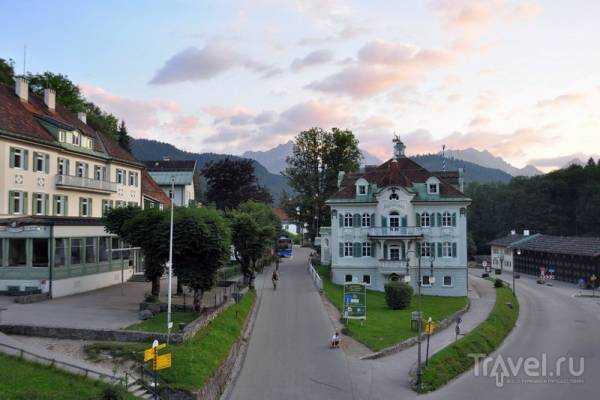
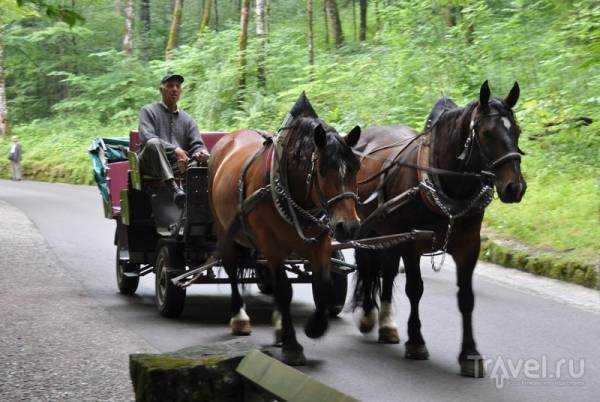
The first photo above shows the Hotel Müller, which I highly recommend; it deservedly has a 9 out of 10 rating on Booking.com, though the prices are quite steep. The second photo shows the view from the hotel window of the gamekeeper's lodge, next to which is the bus stop for Neuschwanstein—for those who don't want to walk the half-hour. Another way to reach the castle is by horse-drawn carriage.
The weather here is unpredictable and changes with astonishing speed. As we were ascending, Neuschwanstein was covered in thick fog.
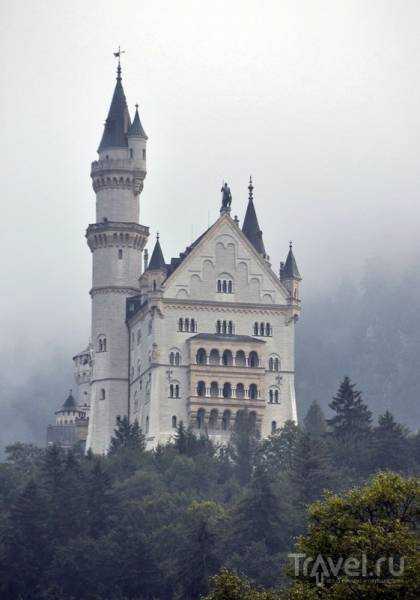
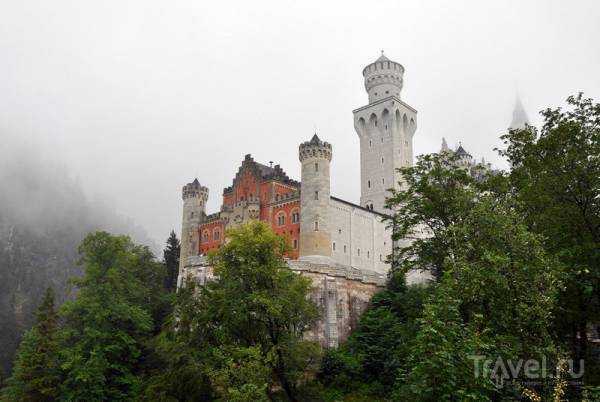
Inside, the castle is enormous and irrevocably gloomy. Just as Hohenschwangau is more beautiful from the inside than from the outside, so the opposite was my experience at Neuschwanstein. Despite the opulence of the interiors, I was constantly struck by the sense of its creator's utter loneliness and the utter soullessness of every room, seemingly devoid of human presence. This is, in fact, true: when Ludwig II moved to Neuschwanstein, he led a semi-reclusive life, receiving no one, and interacting with almost no one. He was arrested in this castle in 1886 and taken to a mental hospital.
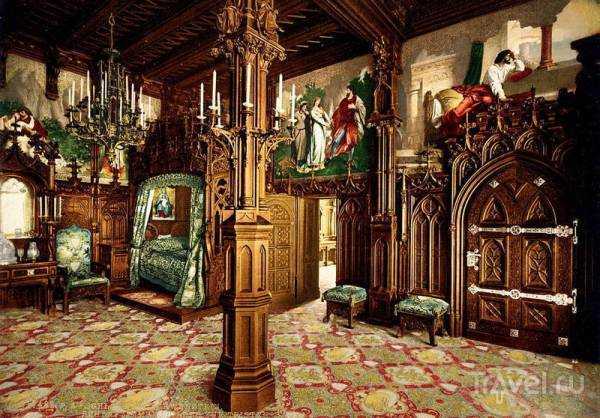
Ludwig's Bedroom (photo - Wikipedia)
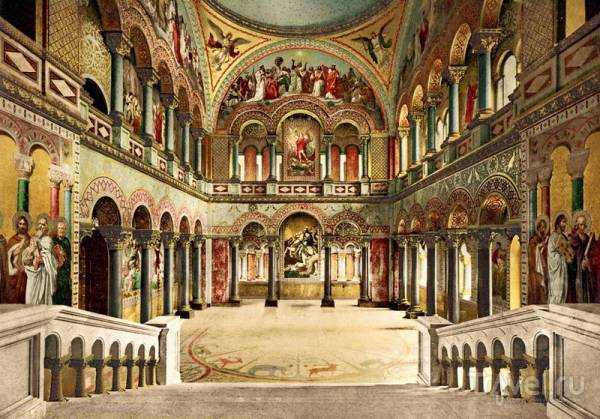
Throne Room (photo — Wikipedia)
From the castle balcony, there's a clear view of the village, two lakes, and Hohenschwangau Castle. That is, of course, if Neuschwanstein isn't covered by a cloud…
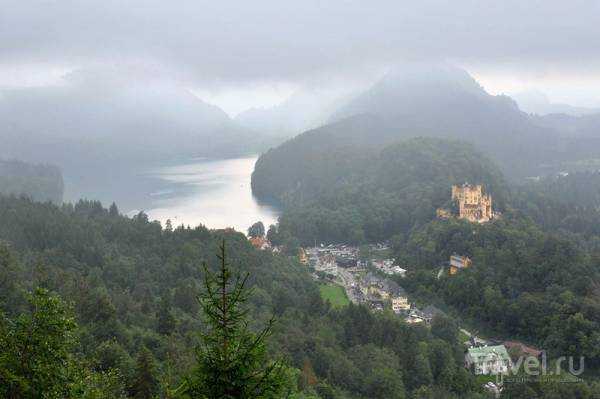
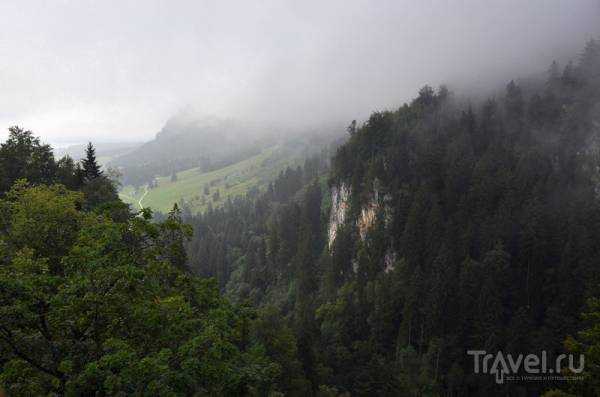
From Neuschwanstein, a trail leads to the Marienbrücke bridge, which spans a gorge. From this bridge, a side view of the castle and a panoramic view of the lands around Füssen opens up.
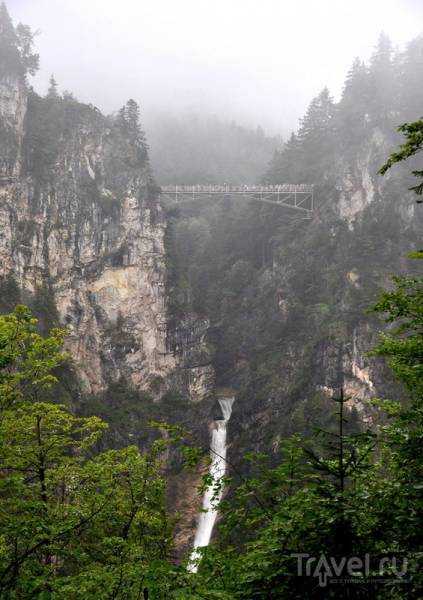
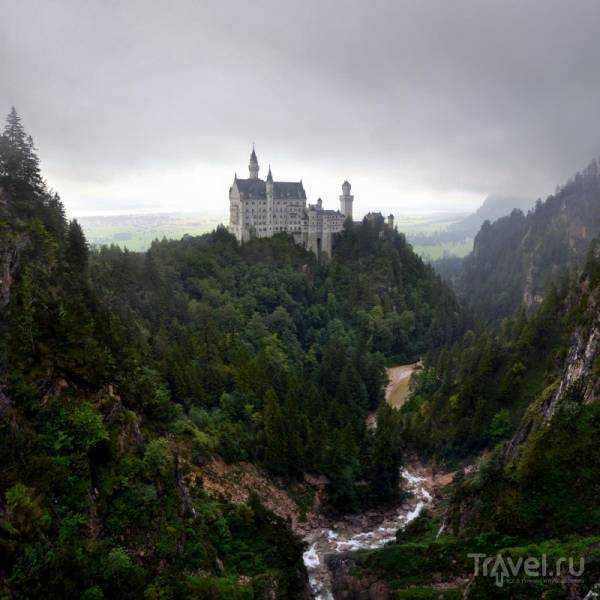
Beyond the bridge, the trail climbs uphill, where the views are said to be even better. Alas, low clouds prevented us from checking this out. However, when we descended into the valley, there was no trace of them left…
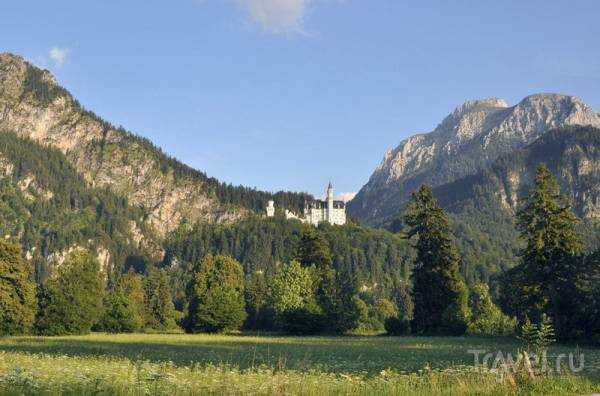
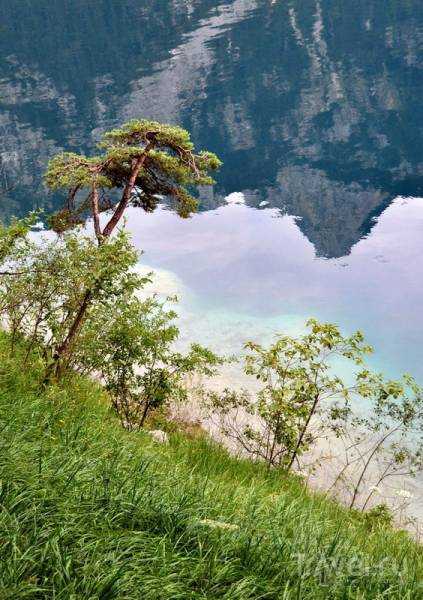
To conclude the story, here are a couple more photos from the vicinity of both castles.
Alpsee near Schwangau

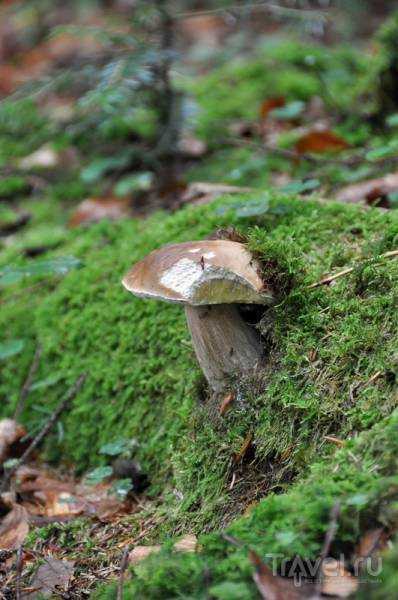
Gifts of the Bavarian forest
Source: travel.ru