





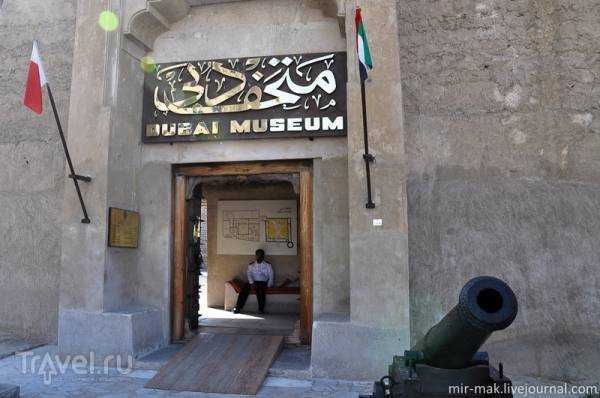

It's no secret that the Emirates strive for perfection in everything they do, so a simple trip to a history museum in Dubai turns into a fascinating adventure.
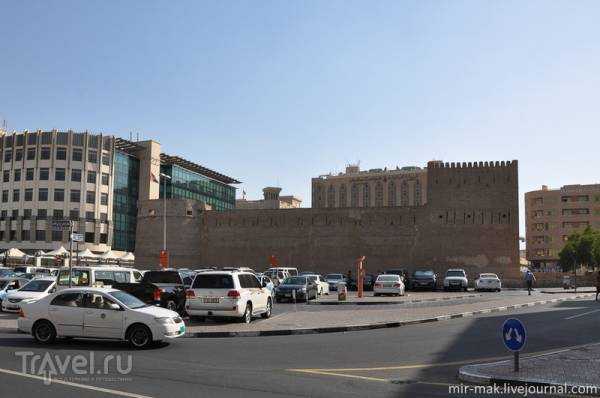
The Dubai History Museum is ideally located within the city's oldest structure, the Al Fahidi Fort, in the Bur Dubai district. The fort itself was built in the late 18th century to protect the city from the Persian Gulf. At various times, the fortress housed military barracks, the emir's palace, and even a prison.
For many years, a Divan lived here, but not the one you think of.
Diwan (Persian: دیوان) is the highest body of executive, legislative, or advisory power in a number of Islamic states, as well as the title of the head of this body. (Wikipedia)
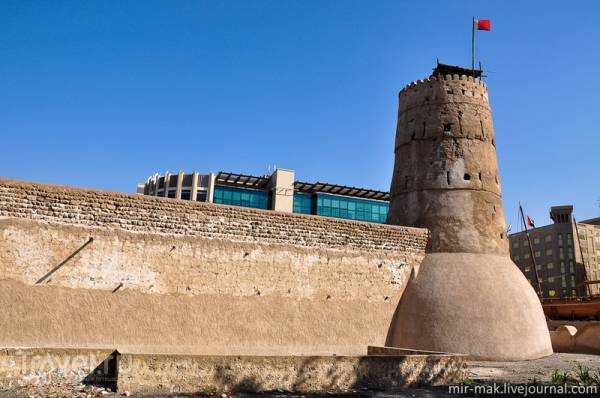
The square fortress is built of clay, coral, and shell rock, held together with lime. A large inner courtyard is protected by high, impenetrable walls. Two defensive towers are located diagonally opposite each other.
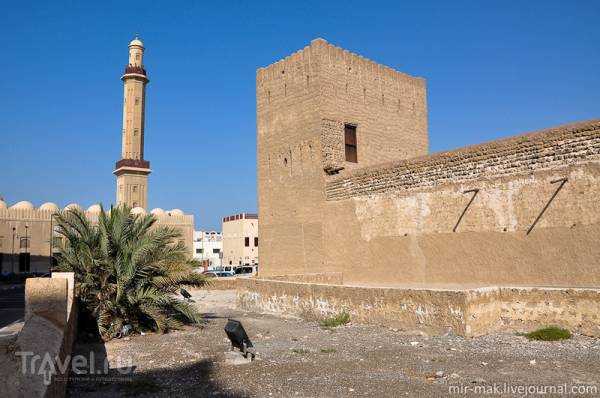
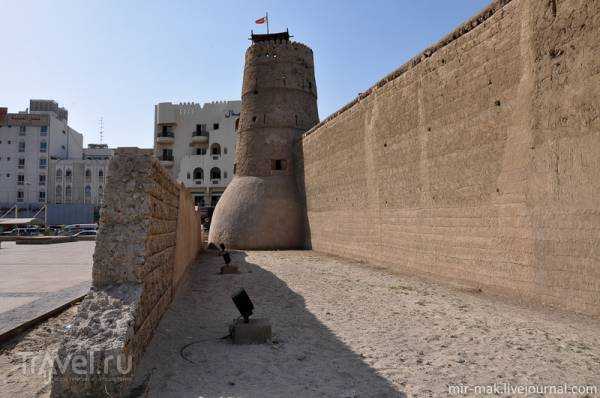
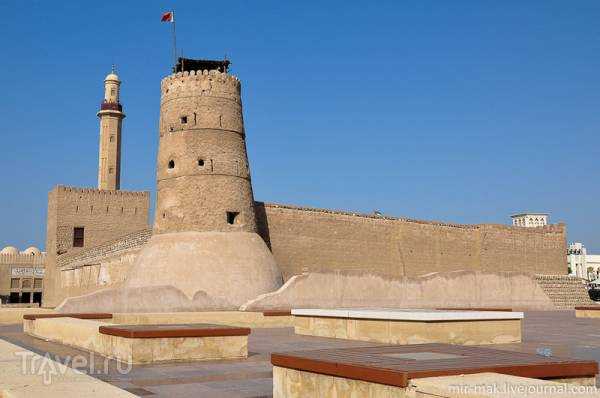
After Dubai ceased to be a British colony on December 2, 1971, the ruling Emir of Dubai, Sheikh Rashid bin Saeed al-Maktoum, ordered the restoration of the by then almost destroyed fortress and the opening of a museum in it.
In 1987, due to the threat of destruction of some sections of the al-Fahidi fortress, the museum was located in underground premises.
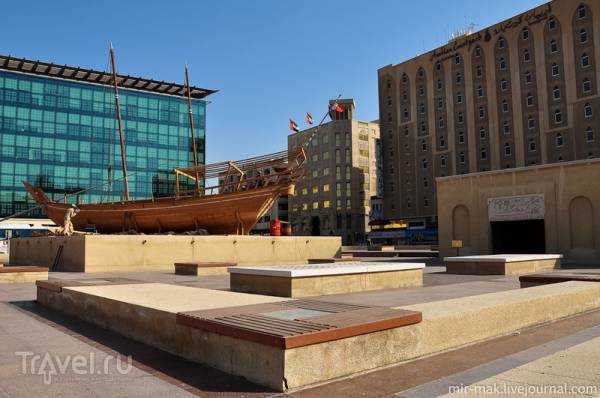
In front of the entrance to the fortress there is one of the traditional types of Arab vessels – a dhow.
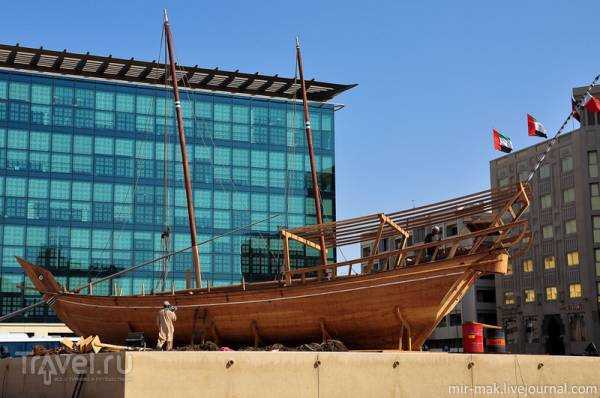
More precisely, when I was there, work was just underway to install it.
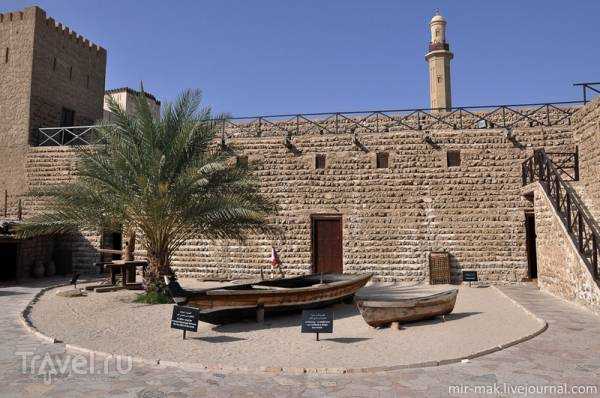
Entrance to the museum costs 3 dirhams, less than one dollar.
In the courtyard of the fort-museum, various examples of traditional Arab fishing boats are on display.
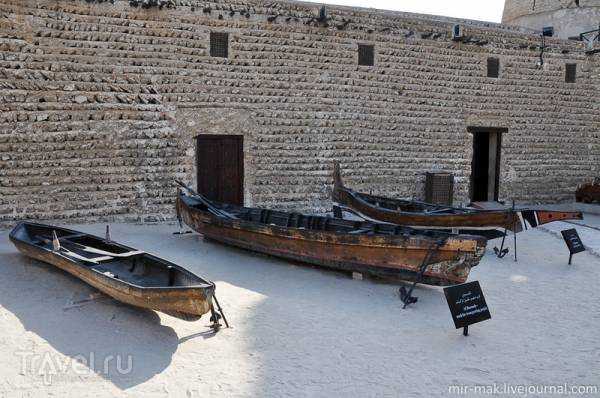
These boats were used for fishing, pearl diving, or simply transporting people.
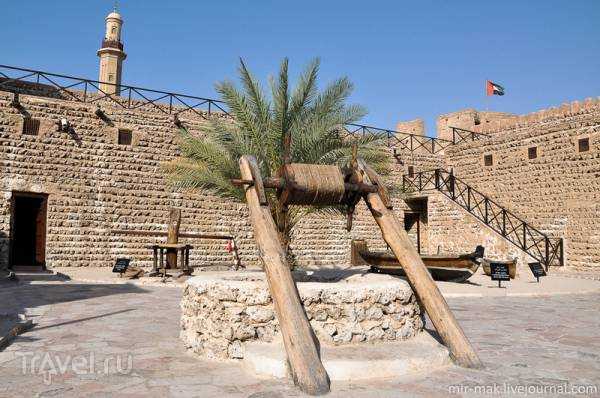
There is nothing more important in the desert than a well with drinking water.
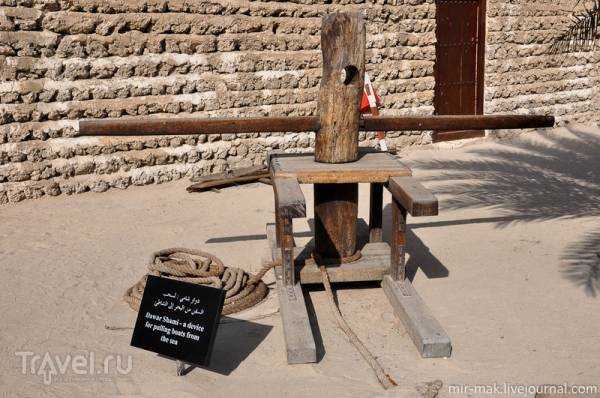
A device for pulling boats out of the water.
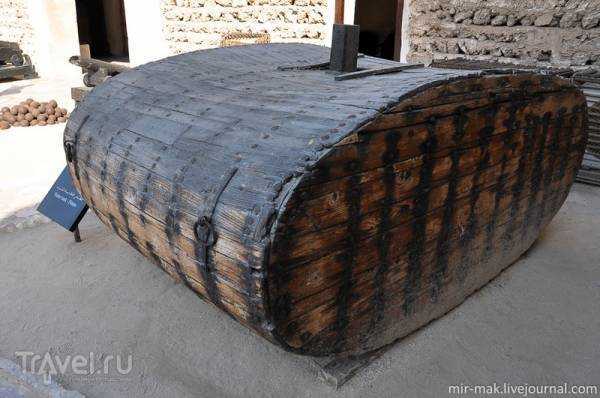
An ancient container for storing and transporting water.
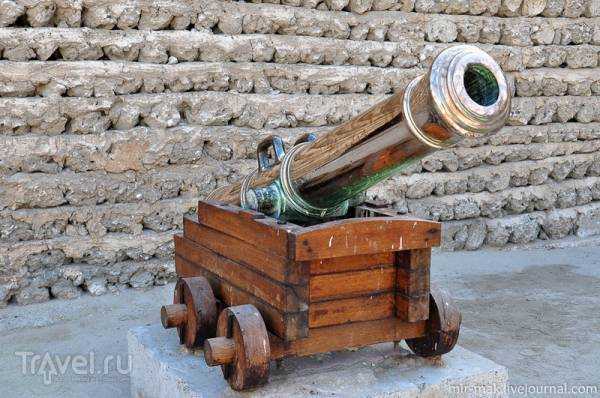
A bronze cannon used to defend the fort.
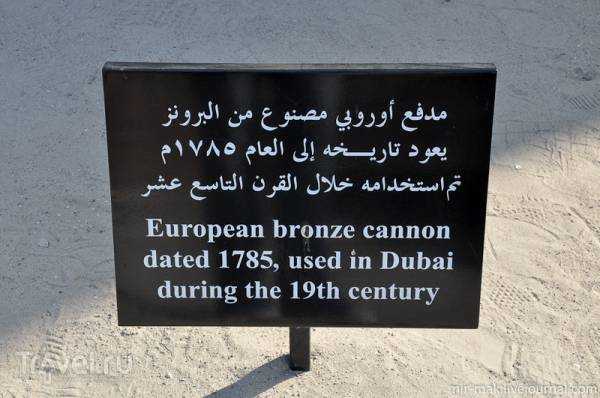
Next to each exhibit there is a sign with its description in two languages.
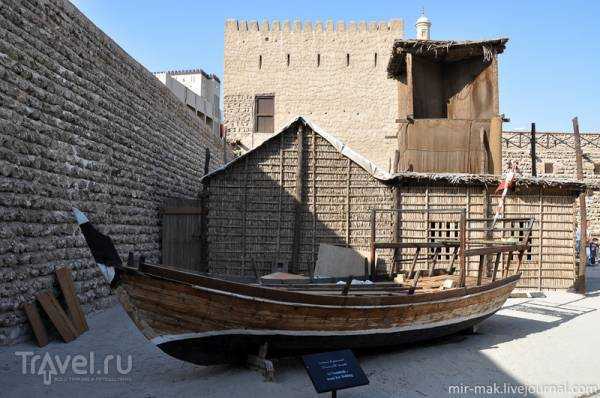
Behind the boat is a traditional Arab "barasti" house, built from palm branches. A "barjeel" wind tower rises above the house, providing air circulation and cooling in hot weather.
Such houses were built until the 1950s.
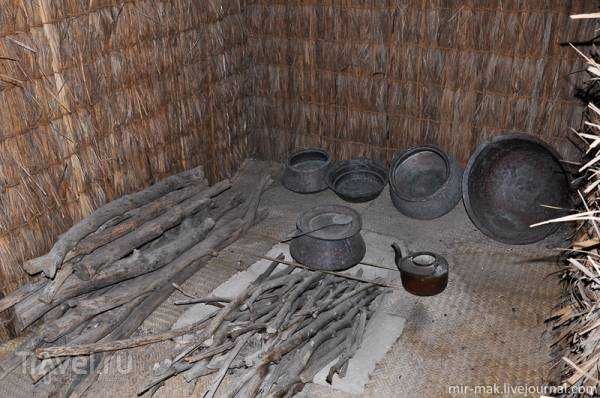
Kitchen.
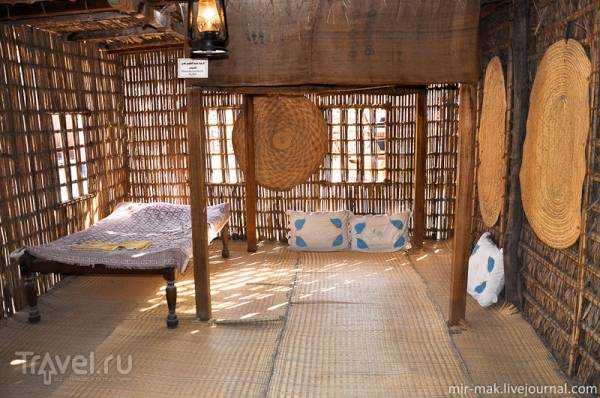
An example of a light summer house.
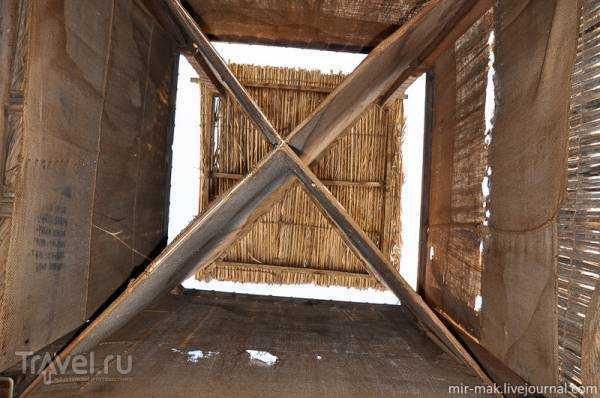
And this is the internal structure of the "barjil".
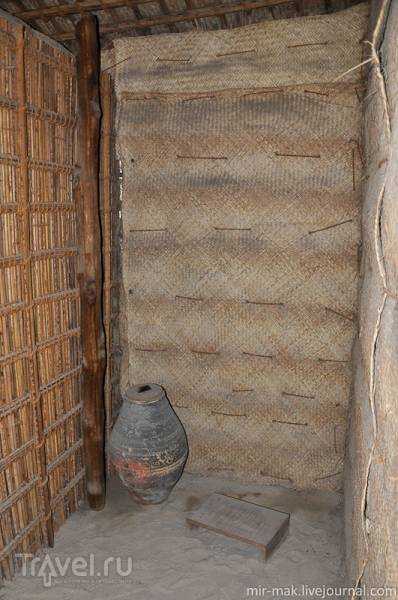
Sanitary corner.
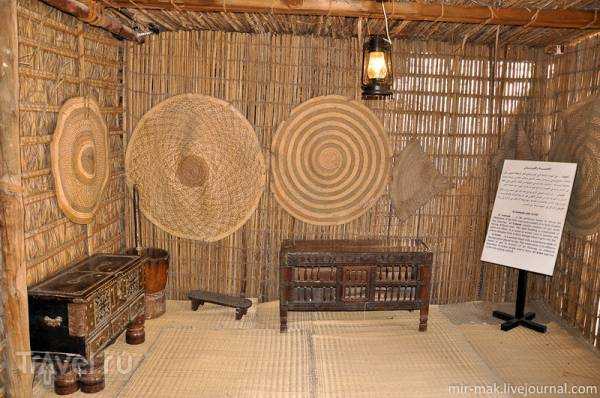
Traditional furniture and interior items.
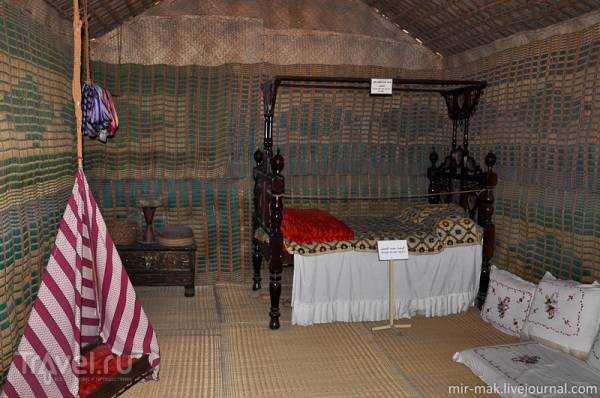
An Arabian bedroom. On the left, a crib is suspended from the ceiling.
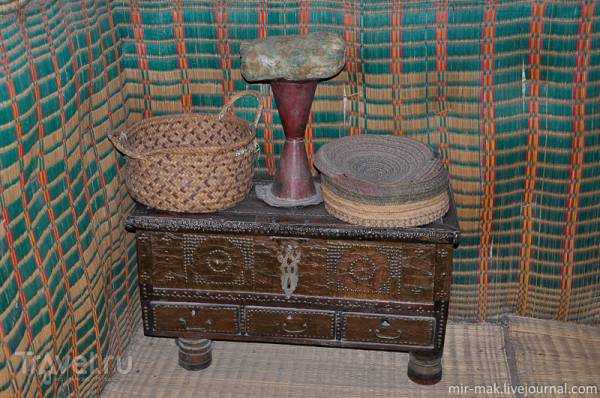
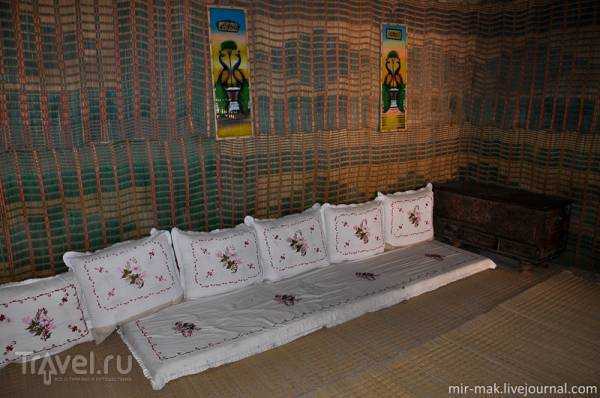
Living room.
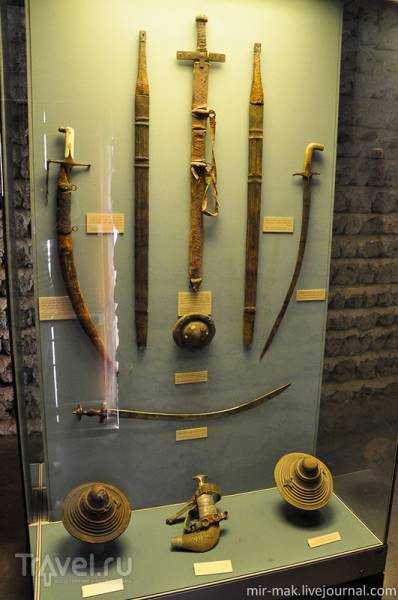
The Dubai Museum houses a large collection of daggers, swords and other traditional Bedouin weapons.
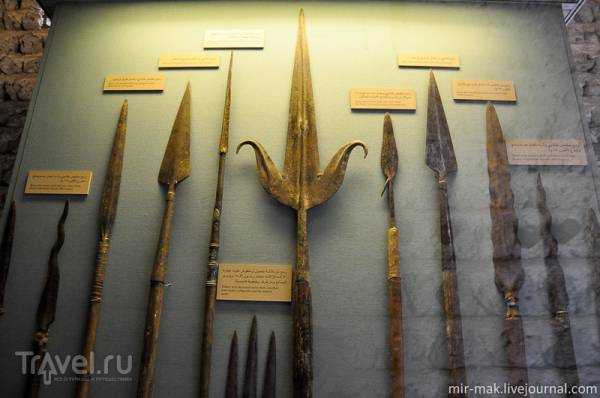
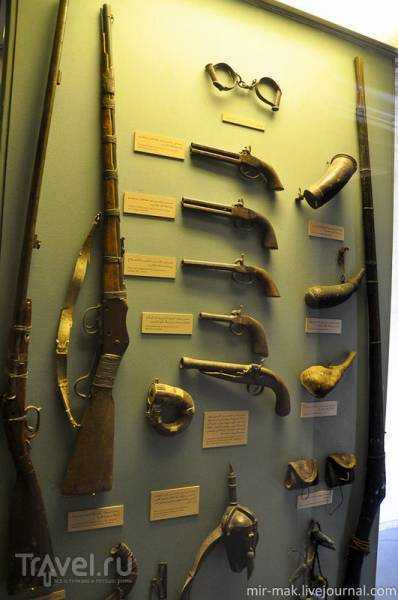
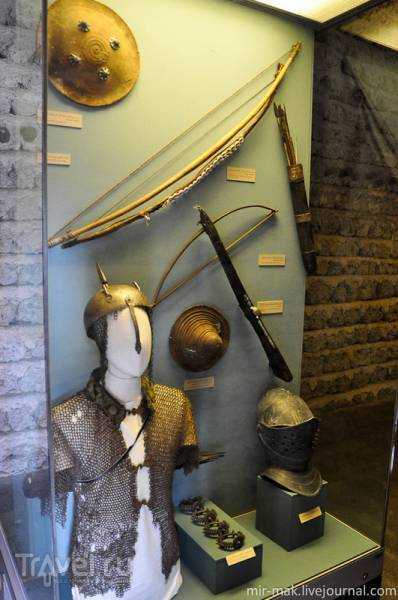
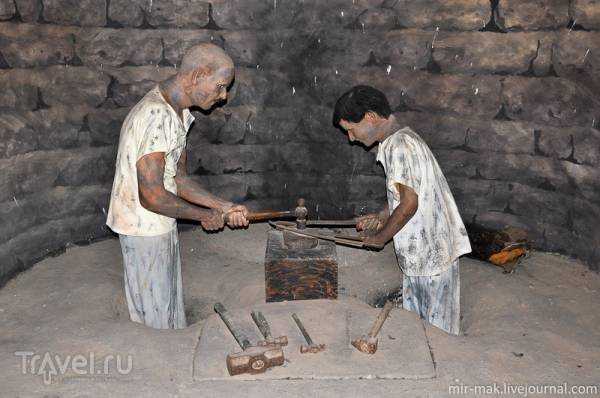
Descending into the museum's underground gallery, you find yourself in Dubai, only several centuries ago. The museum's unique feature is that the city's history is depicted through wax figures of local residents going about their daily lives, while visitors stroll the streets and take in the sights.

The effect of presence is enhanced by sound and light effects.
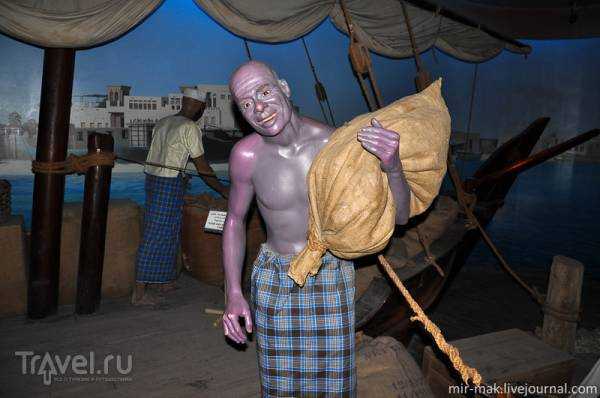
The loading of another ship is in full swing at the port.
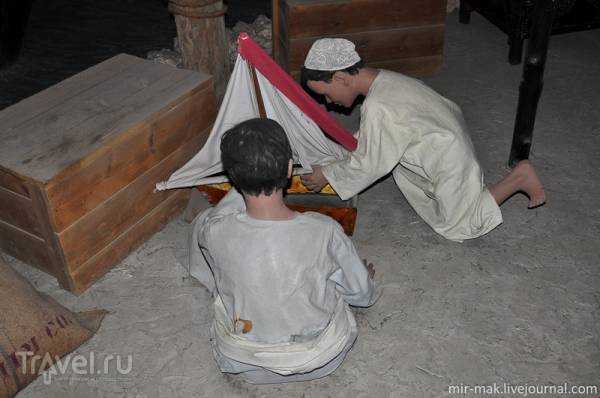
The boys are making a toy ship for now.
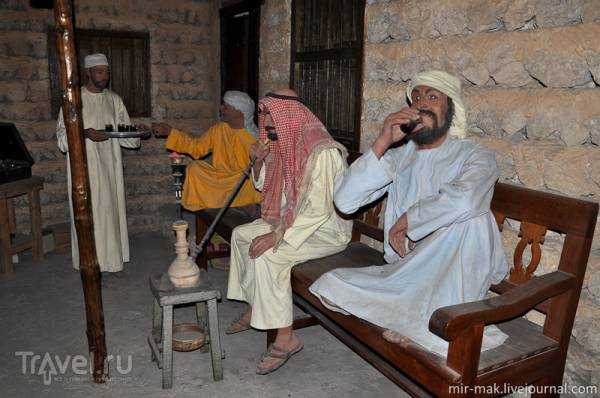
Traditional eastern pastime is hookah and tea.
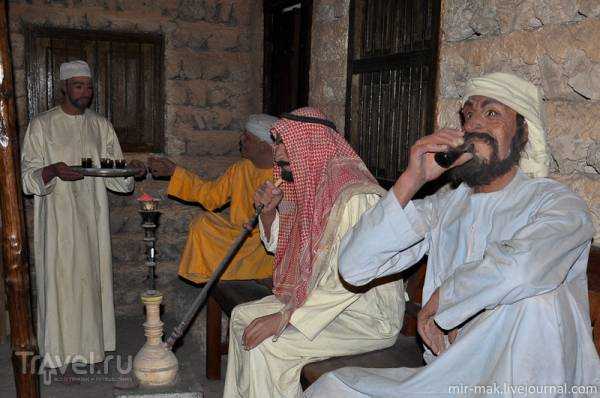
Nice company, it's a pity you can't join.
Source: travel.ru