





In the 21st century, it's hard to imagine life without telephones, cars, the internet, and other essential features of modernity. However, there are people who have preserved a traditional way of life to this day, one that has no place for the advances of civilization.

These are various tribes inhabiting remote corners of Africa, America, and Oceania. For example, the most mysterious people on the planet, the Sentinelese, live in the Bay of Bengal. Absolutely nothing is known about them: the islanders strictly guard their borders and kill anyone who approaches the shore. Scientists can study their culture from a safe distance, taking spy photos from ships or helicopters.
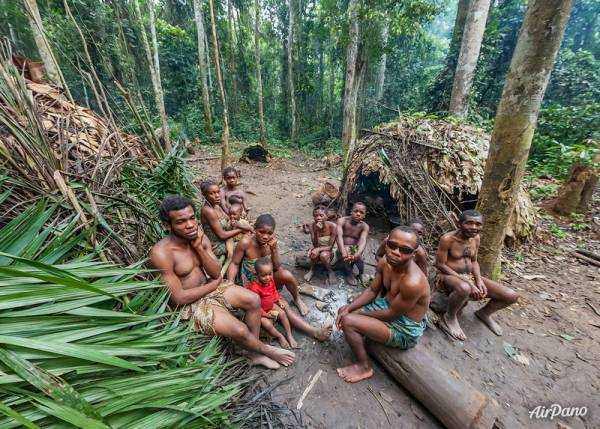
On the contrary, there are also friendly tribes. Although they are reluctant to adopt modern habits, they are willing to engage with them, revealing the secrets of their lives and even welcoming tourists. Among them are the Baka people, who live in the Central African rainforests. The largest tribe, numbering around 30,000, is concentrated in Cameroon.
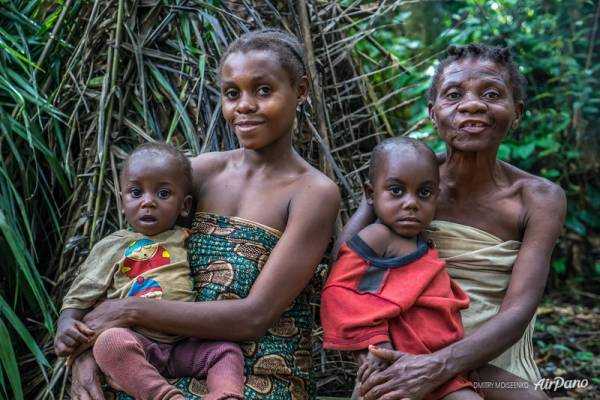
Like many other Negroid peoples, the Baka are short in stature—120-150 cm being the maximum. Homer was the first to mention the existence of such short people, calling them pygmies (translated from Greek as "fist-sized people"). Society is currently trying to abandon this term as derogatory, but a universally acceptable alternative has yet to be found.
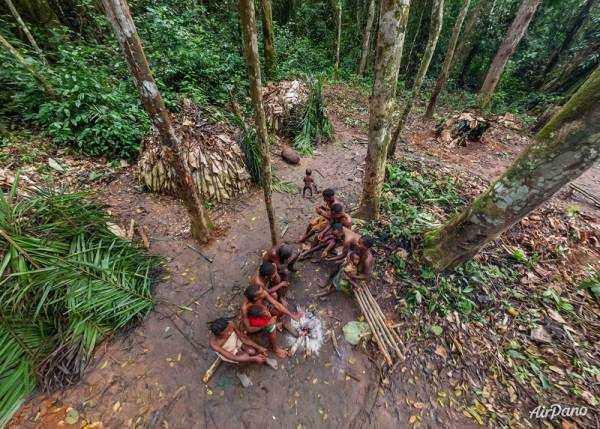
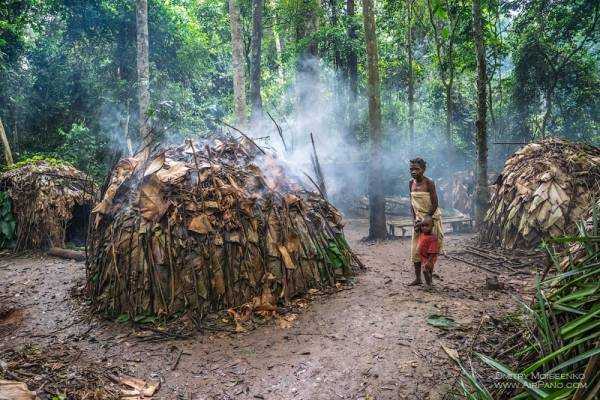
The Baka have no towns or villages of their own: fishing, hunting, and gathering, they move from one territory to another. There, they build huts from branches and leaves for a while, and then move on to new places in search of food. When staying in one area, the Baka grow bananas and keep bees.
Fishing is one of the first skills taught to children. The Baka use an unusual, "advanced" method: they extract toxic substances from plants, then spread the juice on the surface of the water, causing the oxygen-deprived fish to float to the surface. In some areas, the Baka also build dams, after which they simply collect the fish that have stranded on land by hand. They hunt using traps and poisoned arrows.
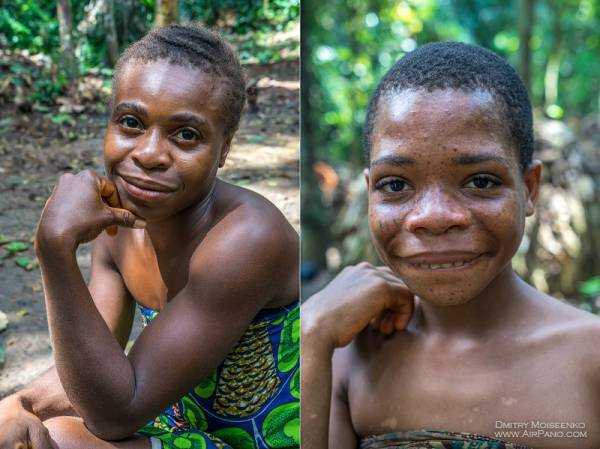
After successfully harvesting food, the Baka perform a thanksgiving dance in honor of Jengi, the spirit of the forests they believe in. The ritual is accompanied by drumming and polyphonic singing. The initiation of boys is also called "Jengi," but this ceremony is considered secret, and little is known about it. However, the Baka do not hide their attitude toward death: the end of life is considered not just a tragedy, but also a curse. A dance is performed around the deceased throughout the night, after which the people leave these lands forever, lest misfortune befall them.
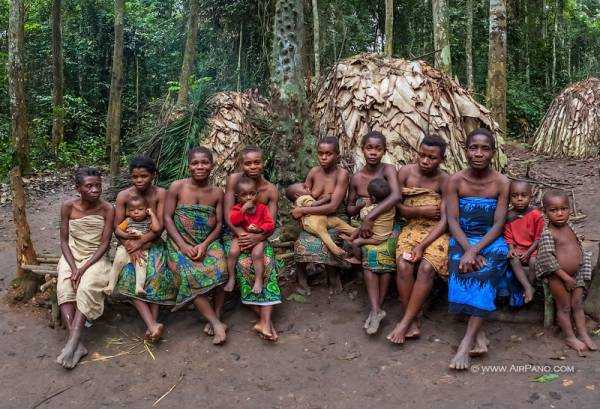
Living in a closed ecosystem, the Baka are unfamiliar with most modern human diseases, and they treat their own ailments with traditional plant-based medicine. They have become so successful in this that members of other tribes even turn to them for treatment.
Another distinctive feature of the Baka is their own language: it belongs to a different language group than all neighboring peoples. Many Baka also speak the languages of other African tribes and even French, the official language of Cameroon.
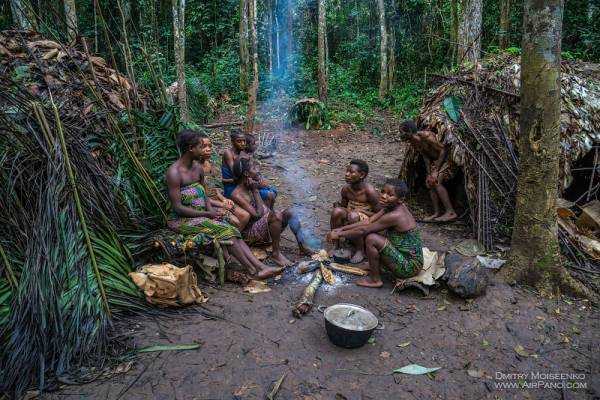
Unfortunately, the Baka's traditional way of life is coming to an end: deforestation is depriving them of the ability to travel from one remote location to another. They are increasingly engaging with their "civilized" neighbors: some trade their catch for manufactured goods, others show off their lives to tourists, and still others try to send their children to school—though this is fraught with difficulties due to frequent relocation. Recently, scientists have discovered another threat to the tribe's existence: once near a village with a bar, the Baka discovered alcohol, which immediately impacted their demographics. Instead of their traditional activities, they began spending all their time at the bar. Furthermore, their bodies are not adapted to breaking down alcohol; as a result, many began to fall ill and even die from poisoning.
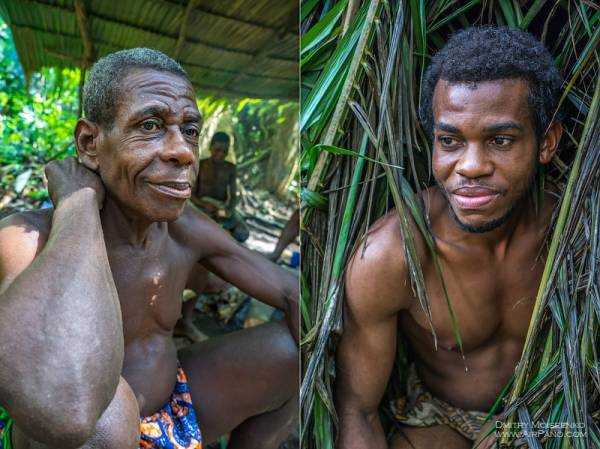
AirPano's panoramas, shot in Cameroon, introduce you to these extraordinary people—the last witnesses of the past, struggling to preserve their historical traditions and gradually losing ground to an aggressive civilization.
Photo: Dmitry Moiseenko And Konstantin Lamin
Source: travel.ru