





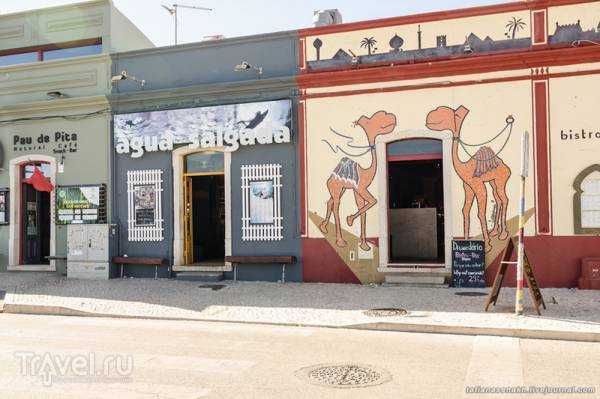

Sagres is listed as a town on Wikipedia. It's not a city, not a town, not a village. Sagres, just Sagres. A place at the edge of the world, generously swept by the Atlantic winds. Thanks to its rugged, rocky coastline, Sagres hasn't been subject to widespread coastal development; its steep banks have saved this place, steeped in maritime romance, from the ravages of tourism. The main tourists here are surfers. And surfers, besides a board, waves, wind, and good company, really don't need anything else. Their negative impact on the pristine natural environment is practically zero.
Another major drawback to tourists is the weather. Those who prefer basking in the sun and can't stand the almost constant wind of varying strength don't thrive here. They get blown away and never return. Furthermore, the water temperature rarely rises above 22 degrees Celsius. To truly appreciate the charm of Sagres, you have to grow up. Drive along the peninsula's long coastline, admire its beaches and bizarre landscape, stand on the edge of a cliff, count the stars in the night sky... Stroll the sun-drenched streets and courtyards of Sagres, pop into restaurants and cafes, sample the freshest flounder and lobster, and save room for honey cake—a typical Sagres dessert.
There are few Russian tourists in Sagres. It's more popular with Europeans, who come here for a healthy vacation and ecotourism. The Portuguese also love to vacation in Sagres. The main thing to do on the peninsula is find a secluded spot on the edge of a cliff by the ocean and be alone with your thoughts.
The people who live here or visit are friendly, good-natured, and relaxed. Sagres's rustic atmosphere takes your mind off the worries and hustle and bustle of business. It has everything you need for life, and nothing you don't. There are no movie theaters, no large supermarkets, no water parks nearby. But there's plenty of sun and ocean.
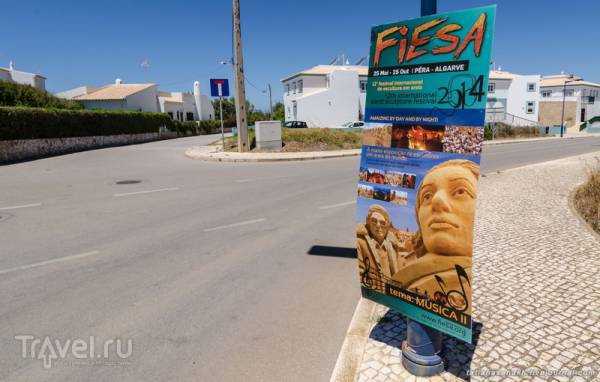
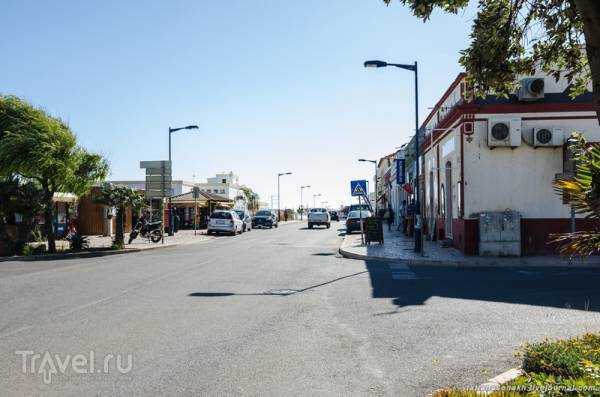
Today we will stroll through the main streets of Sagres in daylight.
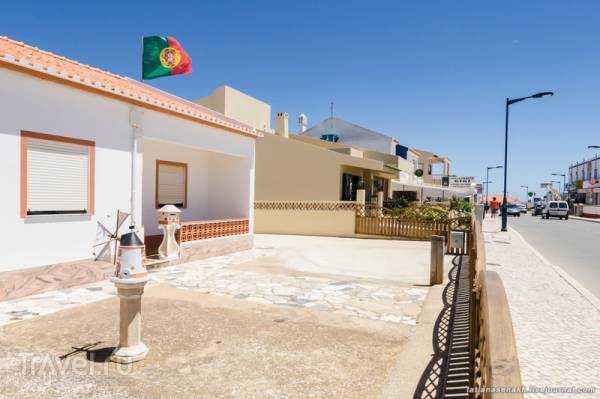
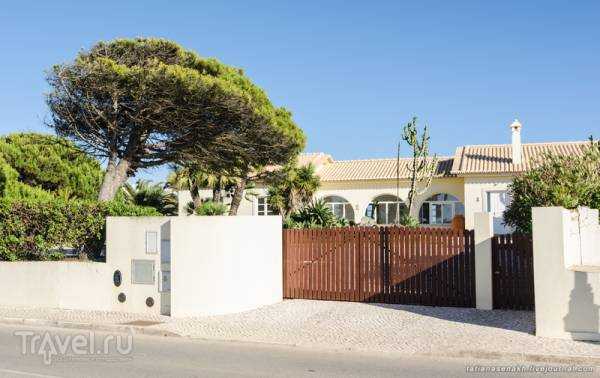
If only our Russian villages had such asphalt, such beautiful, unique houses with front gardens... Eeeeh...
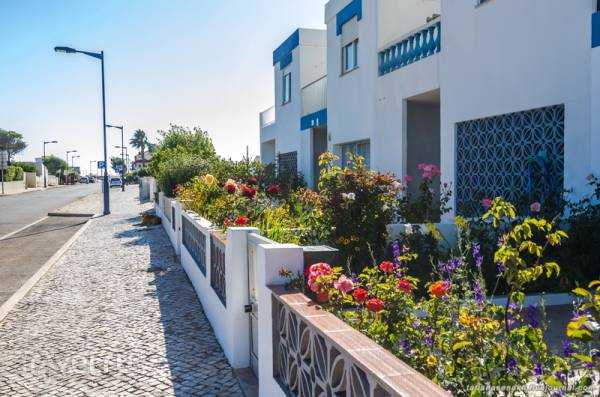
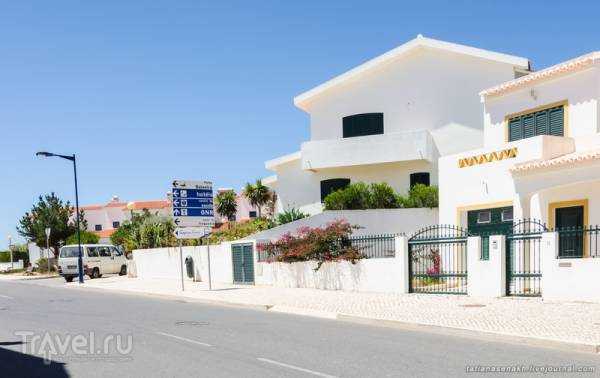
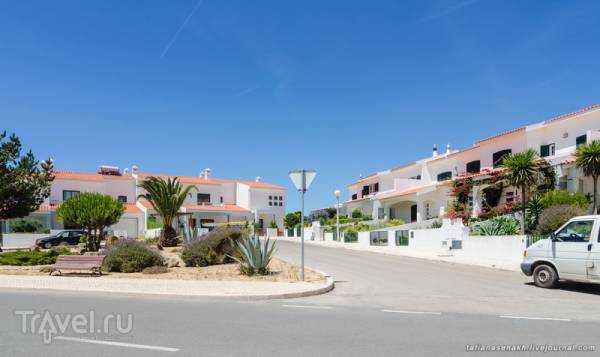
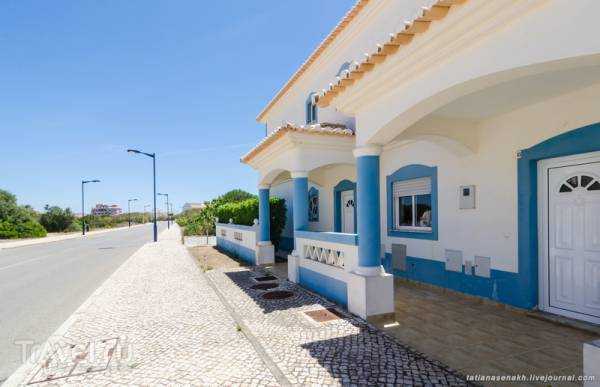

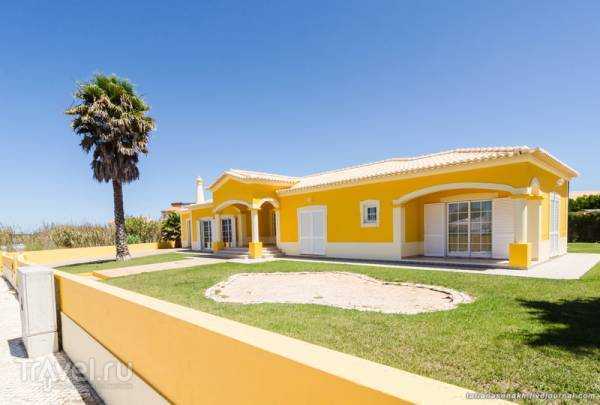
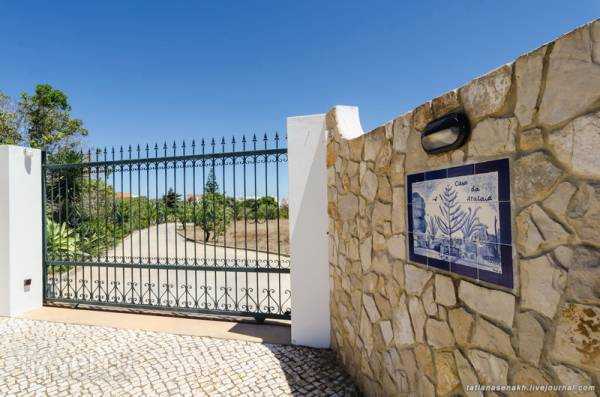
Casa Nostra. Casa in Portuguese means house.
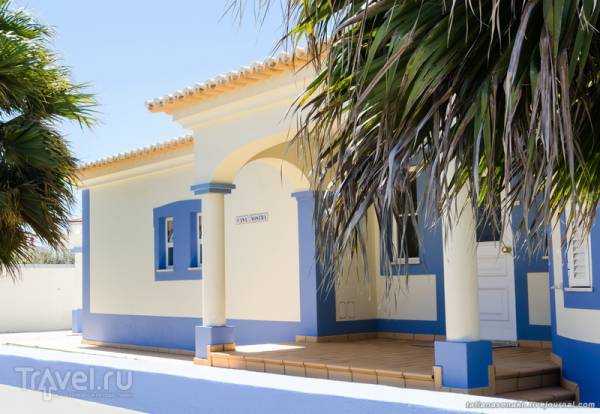
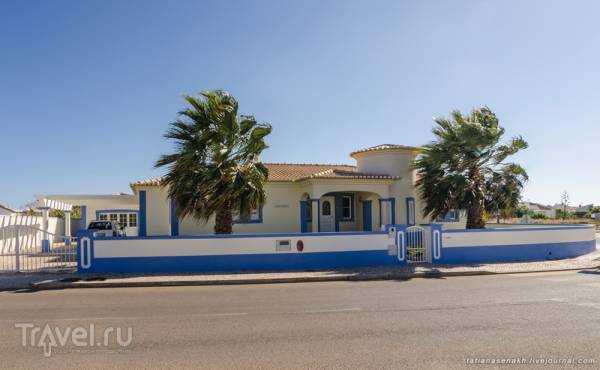
The national flag flies in most courtyards.
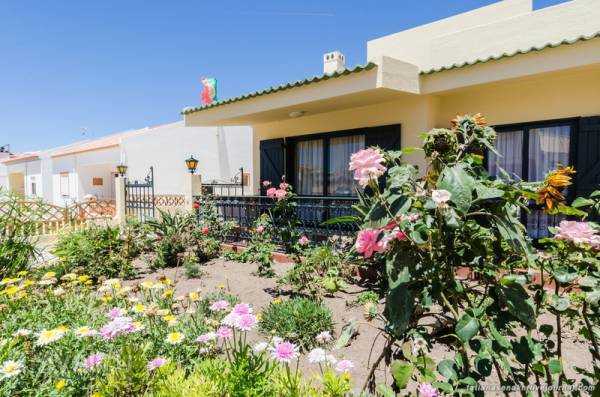
Rainfall is a problem, but local residents manage to maintain their gardens and prevent them from perishing from drought.
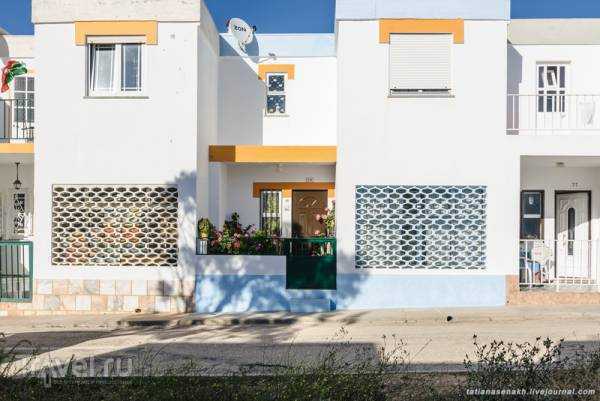
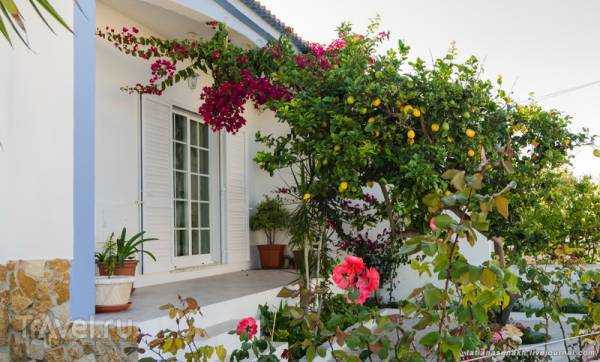
Although some landscaping options don't require much moisture, cacti and pine trees solve this problem.
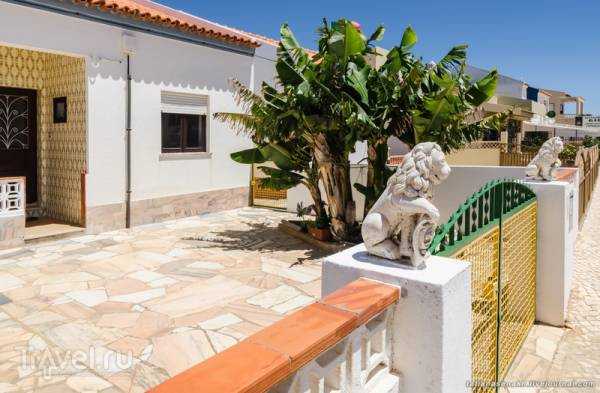
Native "St. Petersburg" lions.
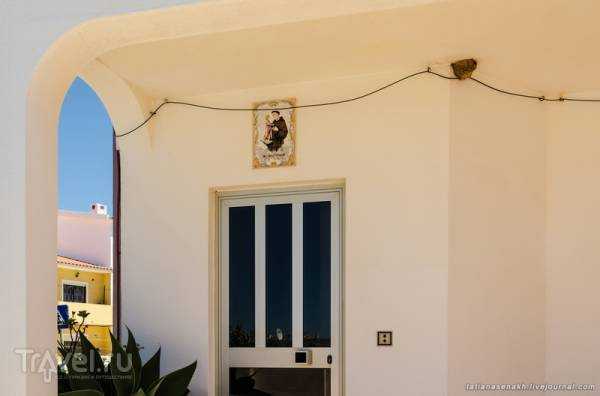
An enterprising swallow electrified its nest.
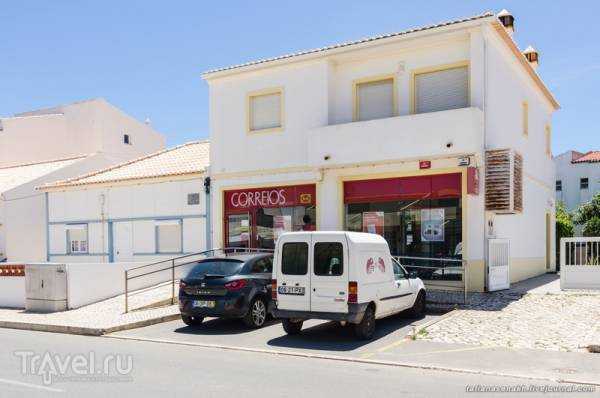
People in Sagres also have everything they need with the benefits of civilization, don't worry, it's the end of the world.
Mail.
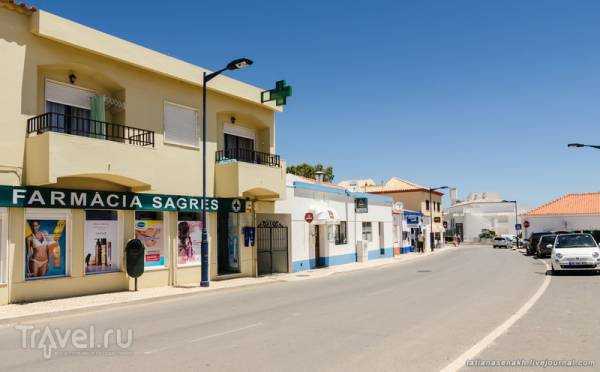
Pharmacy.
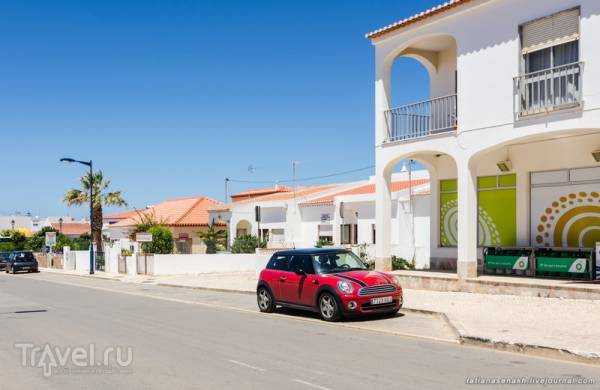
This little one parked outside one of Sagres' supermarkets.
And the largest and most popular one is "Intermarche." We affectionately called it "InterMasha."
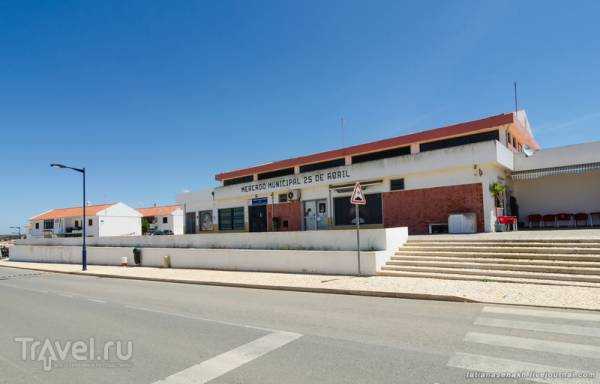
Not far from our hotel (Sagres Time Apartments) is a small market named after April 25th, the "Carnation Revolution," with local produce. It's best to arrive no later than 10 a.m. Then you'll have time to buy fresh strawberries, fish, and other seasonal produce. June strawberries are delicious.
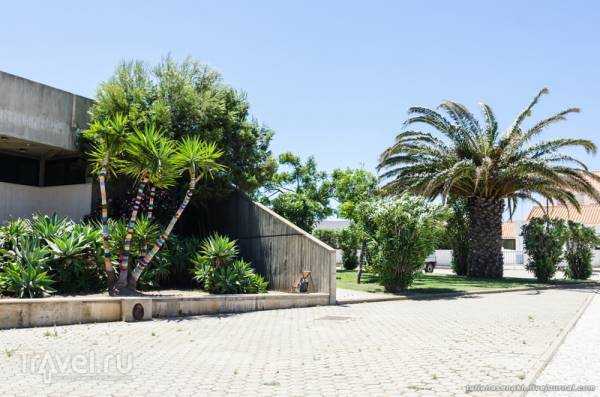
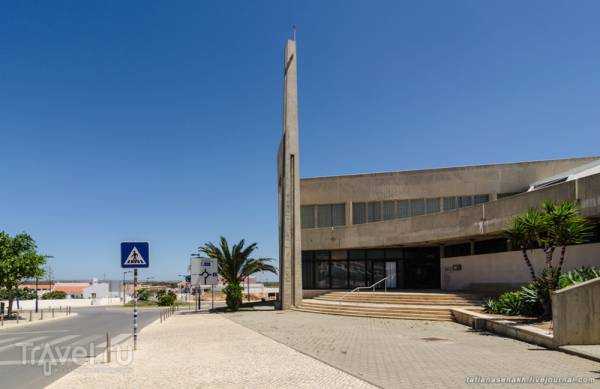
If I hadn't looked at the map, I would never have believed that this gloomy concrete building was a church.
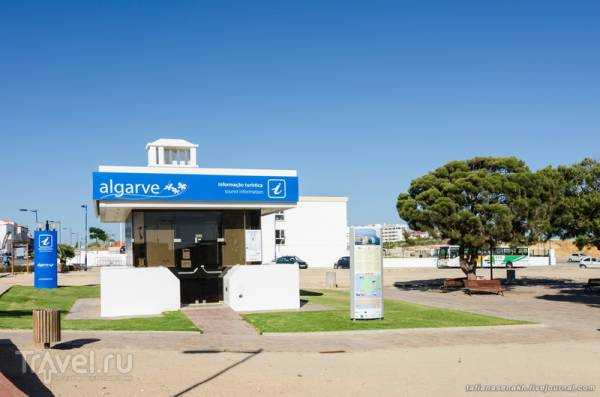
Tourists are people too and have their own needs and interests. These can be met at the information center.
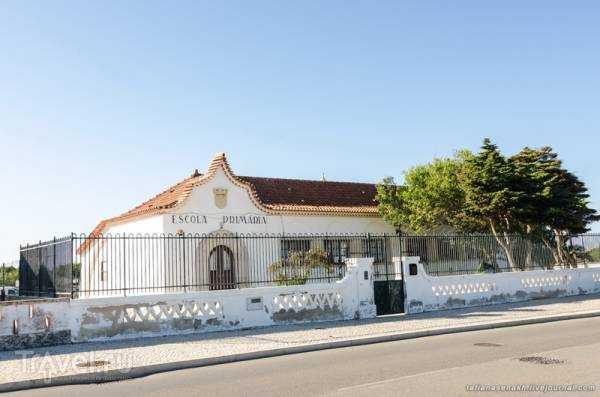
The children go to the local school,
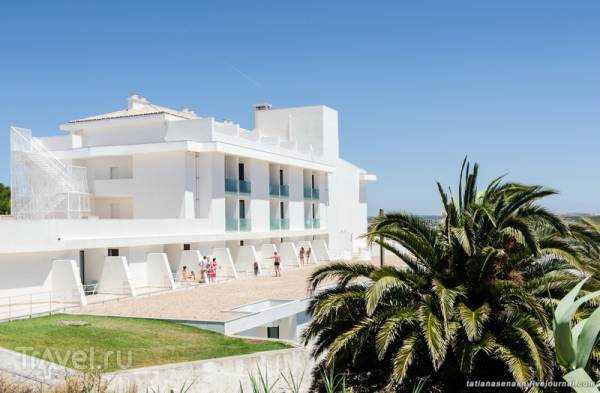
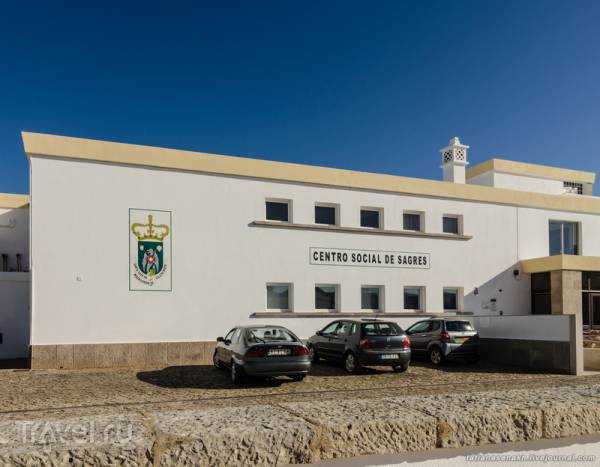
And the elderly residents of Sagres relax in this social center on the ocean shore. When I first saw this social center, I thought it was a 4-5-star hotel.
The central street leading to the city beach.
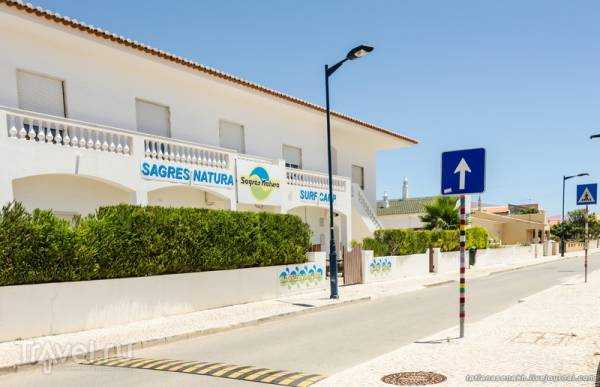
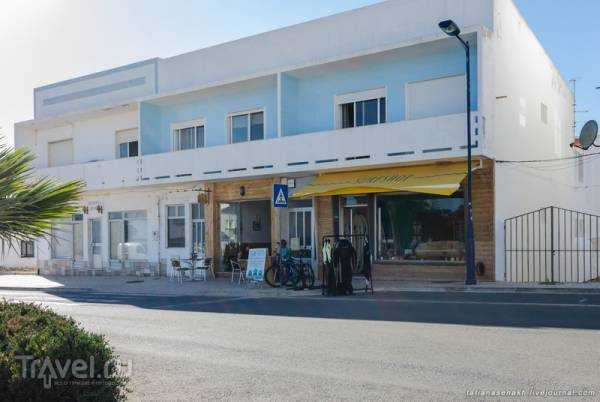
One of the many surf shops.
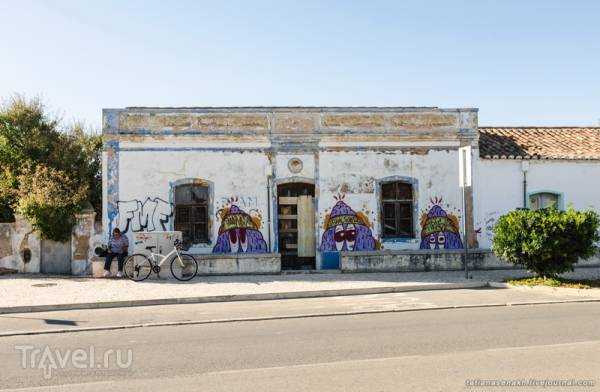
Nudibranchs.
Source: travel.ru