

Those who associate Antalya primarily with idyllic beach holidays and all-inclusive dining are deeply mistaken. This resort offers space for meditation amid nature, cultural enlightenment, detox therapy, and even fishing. Details — in a report by a TRN correspondent from the press tour of the Barut Hotels chain.

Hotel base
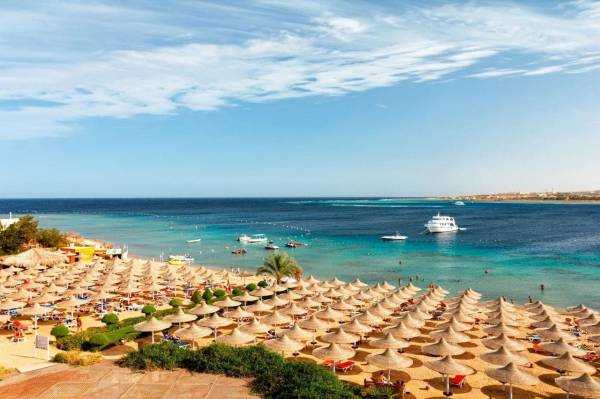
The first stereotype I'd like to dispel is that Turkey is only worth visiting in the summer. This isn't actually the case. At the end of last year, tourists were swimming on the Antalya coast until mid-November. This year, Turkey's weather was amazing even in April—25°C and sunny. It's no wonder many people had already opened the swimming season. The lack of a proper beach at the Barut Akra hotel, where we were staying, didn't bother us at all—swimmers jumped into the water right from the concrete platform, slightly scaring the fish from the nearby fishermen.

According to Erol Cang, Sales Director of the Barut Hotels chain, who gave us a tour of the hotel, Acra truly is a busy place year-round—the average annual occupancy rate is around 801 rooms. Moreover, an average of 651 rooms are repeat guests. The vast majority of guests are Europeans, who prefer to come here off-season because the prices are lower and there's always something to do.

The hotel's management attributes this high percentage of return customers to the core operating principle established by the company's founder, Ali Barut: never, even in the most difficult times, skimp on service quality. Therefore, during the crisis, Barut hotels continued to use the highest quality products in their restaurants, and loyal customers were willing to pay for it. Ali Barut can rightfully be considered the founding father of the entire hotel industry on the Anatolian coast and a trendsetter. It was he who built the first Turkish hotel in Side in 1971, with 36 rooms. Today, in its place stands a fully-fledged modern complex, where, tellingly, the very first guests who stayed there more than 45 years ago continue to return.


This disproves another stereotype about Turkey: that local hoteliers are only trying to profit from mass-market customers by undercutting prices on everything. As Erola Cang noted, another unique feature of the Barut hotel chain (which includes 12 hotels across Turkey) is that their rooms occupy minimal space, while offering vast outdoor spaces for strolling. Some hotels specifically reduced the number of rooms during renovations to expand promenades and green spaces, ideal for strolling and meditating.
Each hotel in the chain has its own specialization and focus. For example, Barut Accantus & Cennet in Side is primarily family-friendly. It has a wonderful sandy beach—the water gets deep just 100 meters from the shore, making it ideal for families with children. Barut Kemer operates on an ultra-all-inclusive basis and is designed for relaxation and spa treatments—they'll treat you to therapeutic mud treatments and a foam massage.
The Akra in Antalya is more suited to those committed to a healthy lifestyle. In addition to a refreshing swim in April, it offers detox services year-round. The Life CoAntalya wellness center and excellent gym are also available. A network of running and cycling paths stretches around the hotel like a spider's web. Guests can also rent bicycles free of charge to explore the surrounding area—Antalya's historic center and waterfall are just a 10-15-minute ride away.


What to see?
Another stereotype is that there's nothing to see in Antalya. This isn't true. Antalya's historic center is worth at least one visit, maybe two for the shopping. It's quite modern, yet carpets are ubiquitous, and there are plenty of shops and restaurants, giving you a sense of the city's authenticity. A good place to start your walk is Hadrian's Gate, built in 130 AD as a triumphal arch to honor the visit of the Roman emperor. Beneath the central arch, the chariot tracks of the time, immortalized in marble, remain.


Be prepared to encounter some unwanted companions during your walk. These are stray dogs and cats, who look quite well-fed and aren't afraid of anyone. After a half-hour walk and a snack at a local restaurant ($5-7, a full meal around $20), the narrow streets will lead you to the bay, where you can watch a beautiful sunset.

Few archaeological sites remain in the Antalya region. For example, at the excavations of the ancient city of Side, only six columns remain of the Temple of Apollo. The Side Museum is housed in the former baths, making it an interesting place to explore their structure. The Side Amphitheater, well preserved, is located nearby.

True, the amphitheater in the ancient city of Aspendos, built in the 2nd century AD, is much better preserved. This amphitheater can accommodate up to 17,000 spectators and still boasts excellent acoustics.
Nearby are the remains of an aqueduct that supplied the city with drinking water during the Roman Empire.


At almost every landmark, locals sell souvenirs, as well as freshly squeezed pomegranate or orange juice right in front of you. To get between points, it's best to rent a car or take an organized tour, as the attractions are quite far from one another.
The highlight of the trip will be a jeep safari, during which you can not only enjoy nature and beautiful views, but also sample local traditional cuisine.


This type of vacation breaks the common stereotype of Turkey as a purely beach destination. There are numerous opportunities for varied and healthy leisure activities. The benefits of this type of vacation can be seen in the hotel chain's owner, Ali Barut. At 85, he looks great, leads an active lifestyle, swims daily, and travels extensively.
Source: trn-news.ru