





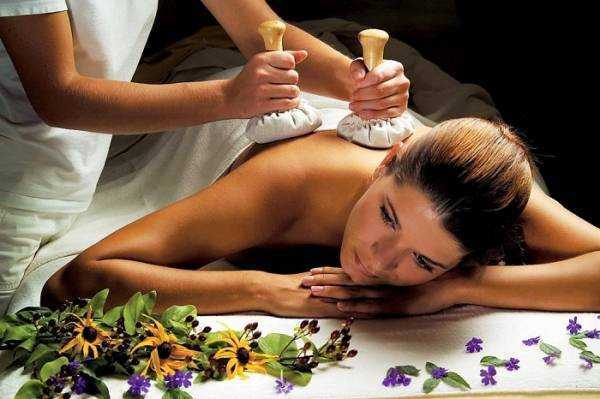
According to the Russian Association of Medical Tourism, the Russian market for spa treatment has grown by 201% over the past three years, and industry experts predict it will reach 14 million people in 2017.

“The most important criterion when choosing an institution its location remains for a health-improving holiday, he believes Medical Director of JSC Russian Railways - Health Pavel Morozov. Priority is given to resorts offering access to sea and mountain air. By all accounts, resorts on the Black Sea coast and in Stavropol are the most popular destinations for both Russian and international tourists. Coastal resorts belonging to JSC RZhD-Zdorovye, such as Chernomorye, Ivushka, Oktyabrsky, Mys Vidny, and Aquamarine, are visited by over 50,000 tourists annually. And our group of resorts in Stavropol, Dolina Narzanov, serves over 17,000 people annually.
In terms of demand among foreign tourists, Sochi and other resorts in the Krasnodar region are visited primarily by Europeans and CIS countries, Crimea by Ukrainians, and Lake Baikal in the Irkutsk region by Chinese tourists.
However, wellness tourism is gaining increasing popularity worldwide. In the "Global Wellness Summit" report, experts estimated the international wellness tourism market at between $100 billion and $600 billion annually. They attribute this "variance" to the lack of a conceptual definition of the industry (the concept of wellness tourism is often confused with medical tourism and spa tourism). Regardless, this industry is showing increasing growth every year.
At the Global Wellness Summit, more than five hundred experts from 46 countries identified five trends in the wellness tourism industry in 2017:
Today, almost everyone on earth is familiar with saunas and steam baths. Everyone knows about the therapeutic and relaxing properties of these treatments, and at one point, it might have seemed unfashionable and uninteresting. However, experts note that the popularity of saunas and steam baths is not declining, and has even recently increased, as leading establishments in this field offer new and innovative approaches to thermal treatments. Steam baths offer saunas with a bar, singing, dancing, and even an in-house theater (for example, the steam bath complex in Helsinki). Other options include floating steam baths located on rivers or lakes, as well as steam baths offering treatments with beneficial infrared radiation.
It's worth noting that the Russian bathhouse industry is also finding new and innovative approaches to reaching clients, and this type of wellness remains popular in our country.
A new concept—"noise-free"—is gaining immense popularity, being used in hotels, restaurants, shops, gyms, and, of course, spas around the world. This approach to wellness is increasingly popular and is achieved through simple interventions: turning off phone signals, background music, internet access, and so on. "Silent" hotel rooms, airport lounges, and spas primarily attract city dwellers tired of the noise.
More and more wellness centers around the world are integrating creativity into treatment. Dance clubs, singing and playing musical instruments, painting lessons under the stars, and even creating sculptures—all of this helps patients rehabilitate and has a sensory and aesthetic healing effect.
Wellness for the purpose of improving one's appearance remains popular. For several years now, demand has been growing for trips aimed at restoring a healthy diet, including detox programs, wellness tours with rejuvenating treatments, preventative cosmetic sessions, and so on. Industry experts estimate that the "pursuit of beauty" will be a leading wellness trend not only in 2017 but also for the next five years.
Pavel Morozov, Medical Director of JSC Russian Railways Health, confirms this: "The most popular treatments today are detox or body cleansing courses, body shaping programs, and various spa services. For example, the Transsib sanatorium, located in Belokurikha, offers a full range of spa services, complemented by techniques that utilize the healing powers of nature in the Altai Krai. And at the end of July this year, the Buran sanatorium is launching a highly sought-after "Detoxification and Weight Loss" program, which offers a specially designed menu and diet, as well as a range of wellness services for body cleansing."
"A healthy mind resides in a healthy body," as we're accustomed to hearing. However, the reality of the modern world is such that depression, stress, and anxiety can affect even the most seemingly healthy people. According to global trends, experts believe that by 2030, the psychological well-being of the world's inhabitants will become the number one healthcare issue. This is why many resorts and health centers include psychotherapists and neurologists in their programs. Meditation, for example, has become one of the most sought-after wellness treatments since 2017.
According to Konstantin Onishchenko, President of the Russian Association of Medical Tourism, ecotourism for health purposes will become a new trend in Russian health tourism in the coming years. Over the past year, the number of ecotourists in Russia has increased by 101,000 to approximately 9 million, and thanks to the launch of projects related to the declaration of 2017 as the "Year of Ecology," this flow is expected to increase by 50% by 2020.
Source: trn-news.ru