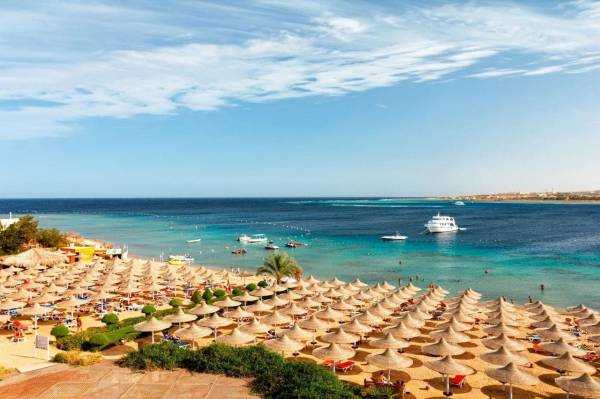


Christopher Columbus is considered the official discoverer of America, but this great explorer also discovered many other lands new to Europeans. Cuba, Haiti, Jamaica, Puerto Rico, the Lesser Antilles, and the Bahamas are just a small list of his accomplishments.

In the same category is an archipelago located in the Caribbean Sea, 97 kilometers south of the central coast of Cuba. It was discovered in 1494, during Columbus's second voyage, and was named in honor of the Queen of Spain: Jardines de la Reina, which translates as "Gardens of the Queen." The archipelago comprises about three dozen islands, virtually uninhabited (only 12 people live in a total area of 175 square kilometers), as well as numerous sandbanks that form small islets atop coral reefs.

The pristine islands, untouched by humans, are home to impenetrable mangrove forests inhabited by crocodiles, turtles, iguanas, and other fauna, and truly resemble beautiful gardens. However, the true beauty of Jardines de la Reina lies underwater: a coral reef that stretches for nearly 150 kilometers.
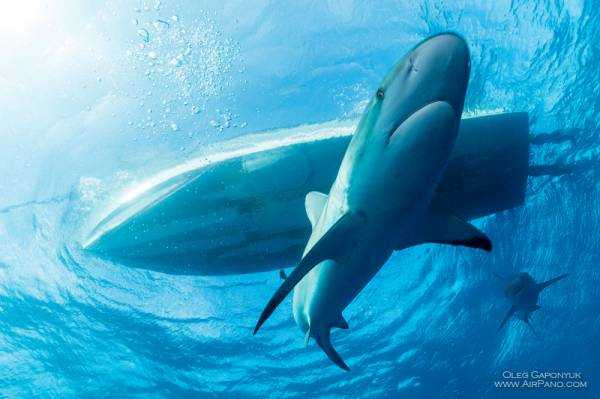
In 1996, Cuba designated the archipelago and its waters a national park. Tourists come here for diving, which allows them to admire the amazing marine life. Diving here is safe and protected from strong sea currents, the water temperature is comfortable: 26 to 29ºC, and visibility is over 30 meters.

This protected area, covering a total area of 2,170 square kilometers, has no hotels (stays are only possible on board the floating hotel "Tortuga" or several liveaboards), and commercial fishing is prohibited, preserving the diverse and colorful underwater world. The reef is home to sponges, corals, mollusks, jellyfish, and fish—including several species of sharks.
Video shooting: Alexey Tishchenko. Installation: Nikolay Denisov And Konstantin Redko. Photo: Oleg Gaponyuk
Source: travel.ru