


Until recently, people mostly went to Israel for treatment at the Dead Sea. And now, finally, modern hotel complexes have begun to appear on the opposite shore—the Jordanians have realized what a treasure they possess. After all, their sea is no worse than Israel's, if not better…

Jordan or Israel: Which is the Best Place to Visit the Dead Sea?
The Dead Sea is familiar to all of us from school: it's the only body of water located 400 meters below sea level, where the salt concentration is so high that the existence of living organisms is impossible. However, not long ago, scientists managed to discover traces of life somewhere in the depths—microbes that have adapted to these conditions.
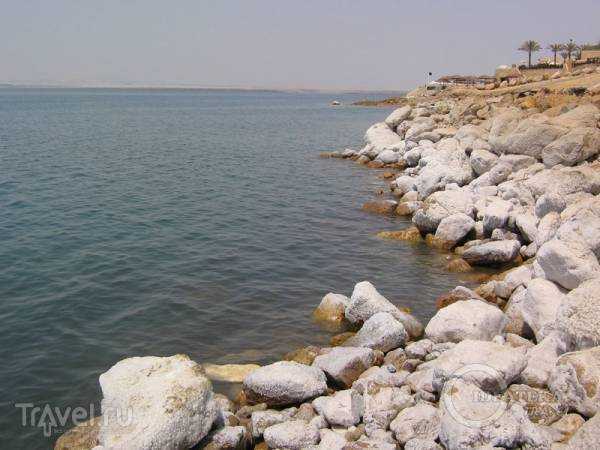
There are 300 grams of salt per liter of water here—approximately 10 times more than in the Black Sea. But most importantly, the Dead Sea is a true natural treasure trove. It contains virtually all the salts found on the planet, and 55 mineral springs gush from its bottom. This water is virtually impossible to reproduce in a laboratory, which is why cosmetics containing local salts are so famous—the ultimate Jordanian and Israeli souvenir.
Two countries have built resorts on the Dead Sea: Israel and Jordan. In reality, these are distinct seas with different water compositions and properties. Aerial photographs clearly show that the single body of water, as it dried up, long ago divided into northern and southern basins. The peninsula with its narrow isthmus, which once only nominally separated them, has now become a serious barrier to the water. Therefore, in the south, in Israel, people vacation in areas where the depth is only 5 meters, while in the north, in Jordan, it is over 300. Jordanians claim that their sea is superior in composition, and its salt concentration is optimal, as it is diluted by the waters of the Jordan River.
Healing salts and mud from the Dead Sea
The scientists are probably wrong. The Dead Sea is home to not only the single microbe they discovered, but also many other organisms—travelers' organisms. And not only can they survive, but they can also improve their health and cure many ailments: skin conditions, allergies, and even treatments for the nervous system and upper respiratory tract.
Entering the sea isn't like entering water—it's like entering oil—the water is so thick and viscous, immediately coating your body in a thick, greasy film. It's elastic, making it very difficult to change your position: lie down, sit, stand. But you can walk in the water without sinking deeper than your chest and without wondering how many meters of this strange liquid are beneath your feet. It feels like you could walk all the way to Israel, which is only five kilometers away.
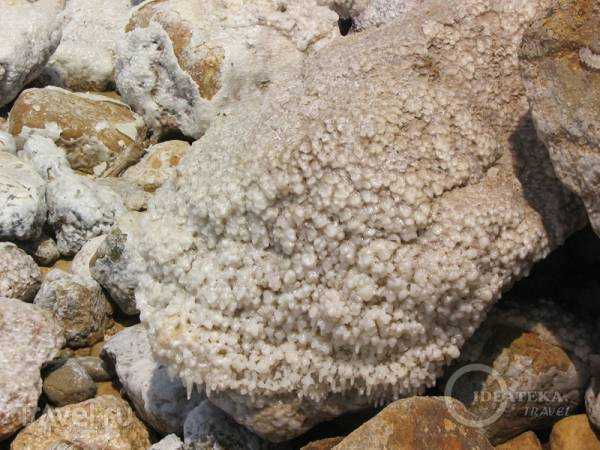
Many first-time visitors to the Dead Sea can't resist licking the water. And then they spit for a long time, trying to get rid of the sharp, unpleasant taste. Because the water in the Dead Sea isn't salty—it's bitter. And as a warning to those who don't believe in such saltiness, there are huge boulders on the shore covered in crystalline salt crystals.
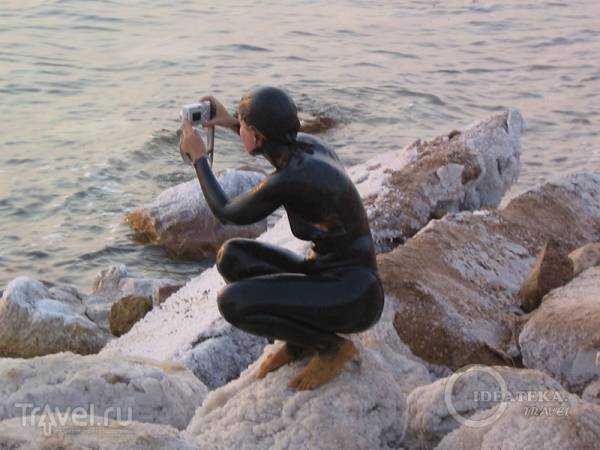
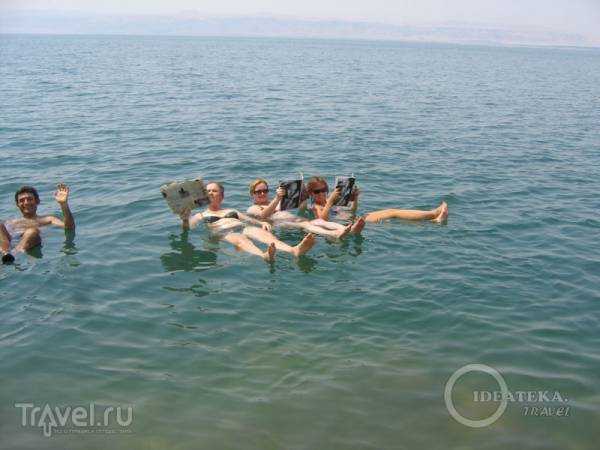
And so the most popular shots from these places are of people lying on the water, peacefully reading magazines and newspapers. Frankly, no one reads literature at sea. All this junk lies on the coastal rocks, used merely as props. By the time you've waded through the rocks and swum a short distance from shore through this rubbery water, the magazine will have been dipped several times and completely soaked. Doctors don't recommend staying in the water for more than 15-20 minutes. But you don't burn right away: the bromine in the water and the ozone layer, which is thicker than in other parts of the world, protect your skin.
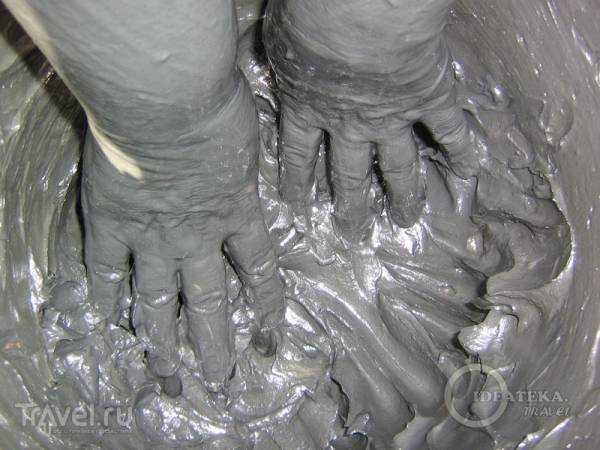
The local mud is also renowned. It's brought to hotel beaches and dumped into huge clay pots. However, if you stroll along the seashore, you can see deposits of it for yourself in the shallows—large black spots underwater. It's best to dig deeper rather than take it from above. But do so carefully: with every movement, the mud sucks your feet in like a swamp.
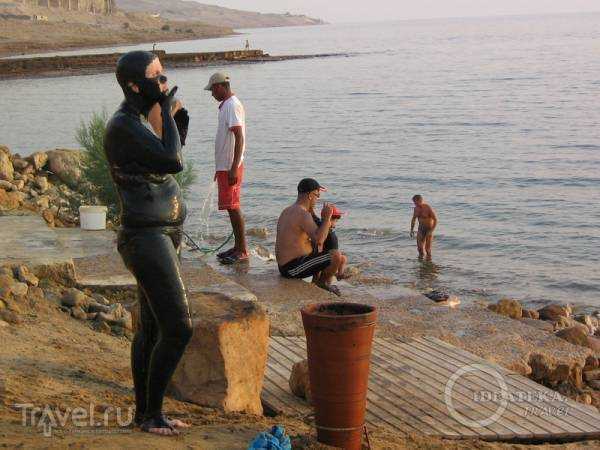
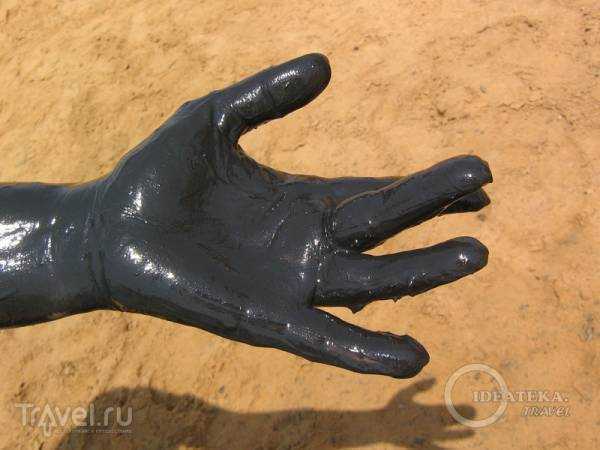
Before smearing the mud all over yourself, you should plunge into the sea and, without rinsing off the salty film, apply the mask to your body, then your hair, and finally your face. Leave the mud in each of these "areas" for 20, 10, and 5 minutes, respectively. The salt water will prevent the healing substance from drying.

What about taking vacuum-packed store-bought mud home? Locals recommend adding a little olive oil. Incidentally, bringing home-made mud is almost useless—it quickly oxidizes when exposed to air and loses its properties.
Where to stay at the Dead Sea
For a long time, there were no hotels on the shores of Jordan's Dead Sea. Only now have locals realized what they're missing and begun actively building. They're still far from reaching Israeli standards, but luxury hotels like the Kempinski Hotel Ishtar have already appeared.
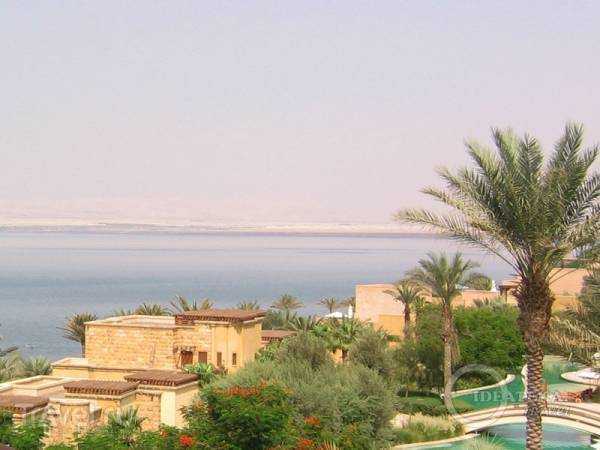
It occupies a vast area in the Jordan Valley right on the seashore and has a private beach, 9 outdoor freshwater pools, a health club, a spa, a cinema, a bowling alley and a tennis court.
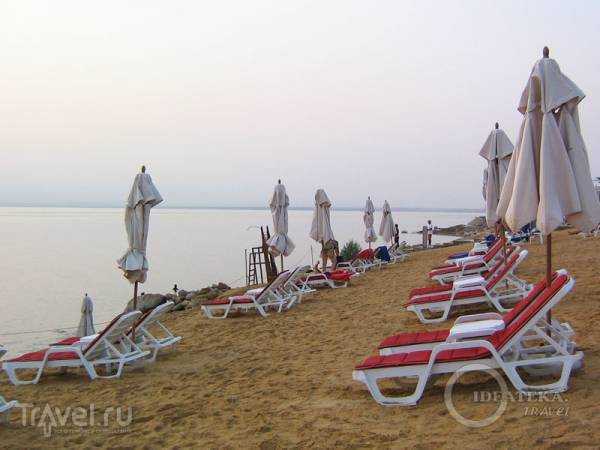
However, perhaps the hotel’s main pride is its magnificent restaurants with a variety of cuisines from around the world.


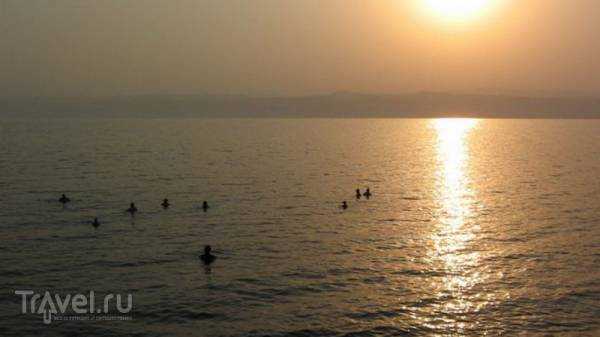
What else will you remember about the Dead Sea? All sunsets on the seas are beautiful, and each one is unique. At the Dead Sea, the sun's rays, piercing through the unusual atmosphere, create whimsical halos in the sky.
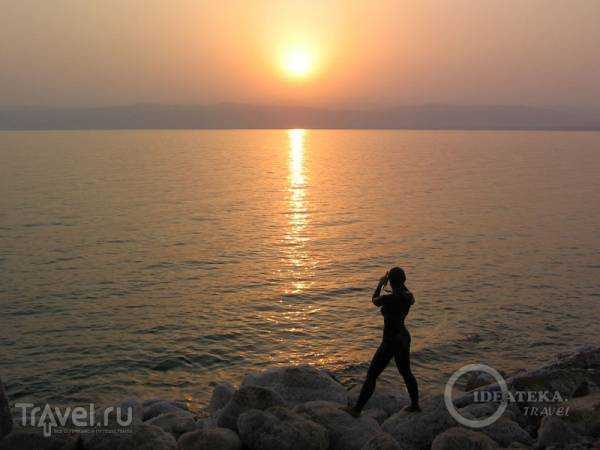
And here it’s not a sin to break free from the oily, sticky water and grab a camera to try to capture this magical play of colors.

Source: travel.ru